
Why Financing an Accessory Dwelling Unit Matters More Than Ever
Accessory dwelling units (ADUs) are no longer a niche concept, they’re central to California’s push for more affordable housing, increased property value, and flexible living solutions. In 2025, a growing number of homeowners in Sacramento, Roseville, San Diego, and beyond are turning to ADUs to generate rental income, support multigenerational living, or plan for retirement. But as with any major investment, building an ADU starts with one essential step: financing.
Rising construction costs and regulatory changes make it more important than ever to understand your options. Whether you’re building a new ADU from the ground up or upgrading an existing ADU on the same lot, your financing approach could determine the success of your project. From home equity loans to renovation loans, there are more ways than ever to fund your ADU, if you know where to look.
ADU Construction: Estimating the Cost of a New ADU
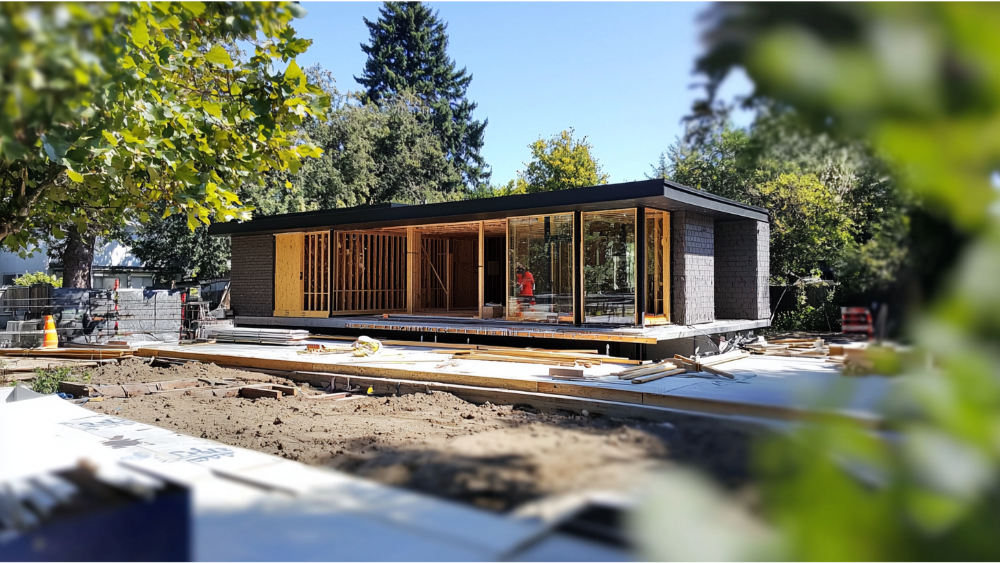
Before applying for a loan or speaking with a financial advisor, it’s essential to get a rough estimate of your ADU construction costs. In the Sacramento region, a detached ADU typically costs between $175,000 and $350,000 in 2025, depending on size, layout, and site conditions.
What ADU Construction Costs Include
Hard Costs cover materials and labor, framing, electrical, plumbing, insulation, and finishes.
Soft Costs include architectural design, ADU plans, permits, utility connections, and engineering fees.
Understanding both helps you budget effectively and plan for financing.
Using ADU Construction Loans to Fund Your Build
If you’re starting from scratch, adu construction loans are ideal. These short-term loans finance each phase of the build and often convert into a standard mortgage once your ADU is complete. Golden State ADUs helps you prepare accurate budgets and lender-ready documentation.
ADU Financing Options for California Homeowners
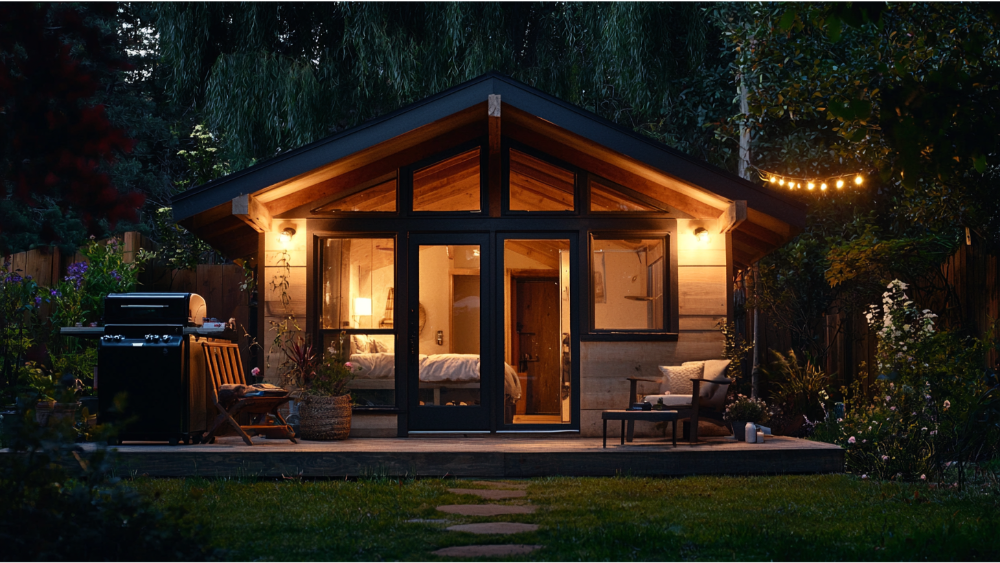
Good news! There are multiple ADU financing options for California homeowners in 2025. Whether you want to borrow against the value of your home, get a new mortgage or access government programs, you have choices.
1. CalHFA ADU Grant Program: Upfront Funding for Pre-Development Costs
The California Housing Finance Agency’s ADU Grant Program provides up to $40,000 in grant funds to cover pre-construction costs such as architectural drawings, site prep, permitting and energy reports. These funds don’t have to be repaid and are offered through CalHFA-approved lenders.
The 2024 funds were gone in a flash, but new funds are expected in 2025. This grant is especially helpful for low- and moderate-income homeowners or those without enough equity to access conventional lending options. As a state sponsored program to promote affordable housing, this grant makes ADU development more accessible across California.
2. Cash-Out Refinance: Use Your Equity to Fund a New ADU
A cash-out refinance lets you replace your current loan with a new mortgage for a higher loan amount. The difference between your original mortgage balance and the new loan is paid to you in a lump sum which you can use to fund construction.
This is one of the most popular ways to fund a new ADU because it uses your built up equity. If your current mortgage has a high interest rate, refinancing could also help you lower your monthly payments overall, although in 2025 many borrowers are dealing with higher interest rates than in past years. Run the numbers with a loan officer or financial advisor to see if this option works for you.
3. Home Equity Loan or HELOC: Borrow Against the Value of Your Home
Both home equity loans and home equity lines of credit (HELOCs) allow you to tap into your home’s equity without altering your first mortgage. With a home equity loan, you receive a lump sum with fixed payments. A HELOC works like a credit card, allowing you to borrow money as needed during a draw period.
These are excellent choices for homeowners with enough equity who want to maintain their current loan terms. They’re especially useful for financing part of the build or supplementing another funding source. These options do, however, create a second mortgage on your property and often include an origination fee.
4. Construction Loans: For Financing from the Ground Up
If you’re starting from scratch with a new ADU, a construction loan may be the most suitable option. These short-term loans are specifically designed to finance construction and are paid out in draws based on completed stages of the project.
Once construction wraps, the loan typically converts into a standard mortgage. You’ll need a detailed set of ADU plans, contractor bids, and a realistic construction schedule. Some lenders may also require a projection of estimated ADU rental income to support your ability to repay the loan.
Golden State ADUs provides full support to help our clients meet lender documentation requirements. We create finance-ready design packages that align with your budget and goals.
5. Renovation Loans: Upgrade an Existing ADU or Garage Conversion
Renovation loans are a great option if you’re looking to upgrade an existing ADU or convert a garage or basement into a legal dwelling unit. These loans, such as FHA 203(k) or Fannie Mae HomeStyle, allow you to roll the renovation costs into your new mortgage, helping you keep financing simple.
If you’re considering an FHA-insured mortgage, keep in mind that credit requirements and down payment terms may vary. But for many borrowers, these federally supported loans offer a practical way to finance construction and improvements in one transaction.
6. Reverse Mortgage: A Unique Option for Older Homeowners
If you’re 62 or older and own your home outright or have significant equity, a reverse mortgage could provide tax-free funds to help build an ADU. This allows you to borrow against the equity in your home without monthly repayments, ideal for retirees looking to build a rental unit for income or family.
Reverse mortgages aren’t for everyone, so it’s essential to speak with a trusted financial advisor before choosing this path. However, in multigenerational homes or long-term housing strategies, they can be a powerful tool.
7. Fannie Mae and Freddie Mac ADU Financing: Mainstream Mortgage Support
Both Fannie Mae and Freddie Mac have introduced loan guidelines that allow lenders to factor in potential ADU rental income when qualifying you for a loan. This is a game-changer for homeowners who may not qualify based on current income alone.
By including projected rental income from a completed ADU, your debt-to-income ratio improves, making it easier to secure a larger loan amount. This type of forward-looking lending reflects a major shift in the mortgage industry as accessory dwelling units become more mainstream.
New ADU Laws 2025 and What It Means for Financing
In addition to new financing options, California passed a bunch of new ADU friendly bills in 2025:
- SB 1211 allows up to 8 detached ADUs on multifamily properties, opens up opportunities for developers and rental focused owners.
- SB 1164 gives property tax exemption for up to 15 years on new ADUs, makes them more cost effective to operate.
- SB 450 speeds up permit timelines, so your ADU doesn’t get stuck in bureaucratic limbo.
If you’re in cities like San Diego or Sacramento, these new laws not only simplify the permitting process but can increase the ROI on your ADU rental income over time.
Choosing the Right Financing Option for Your ADU Project
Selecting the right financing depends on your income, credit score, current loan terms, and how much equity you’ve built. Do you want to borrow a lump sum to cover all expenses at once? Are you looking for flexible, phased funding? Will you use your ADU for family or to generate rental income?
At Golden State ADUs, we’ll help you compare loan products and understand the long-term impact on your home’s value. We even help project estimated ADU rental income so you can make fully informed decisions that align with your goals and lifestyle.
How Golden State ADUs Helps You Navigate ADU Financing
ADU Loans and Tailored Loan Options That Work for You
Financing a new ADU can feel overwhelming, but with the right guidance, it becomes a clear, step-by-step process. At Golden State ADUs, we simplify the experience by helping you choose the best loan program for your needs and budget.
Whether you’re leveraging equity from your existing mortgage, applying for state grants, or exploring loan options like renovation loans or construction financing, our team provides hands-on support from start to finish.
Personalized Support for Smarter Financing
- We connect you with reputable lenders who specialize in ADU loans and understand the unique requirements of local and state programs.
- Our design-build process produces finance-ready ADU plans that align with your project costs, avoiding delays or unexpected budget overruns.
- We help with paperwork for CalHFA grants, construction loans, and other loan programs, including those backed by the federal government.
- We advise on how financing decisions may impact the future value of your home, giving you a long-term perspective, not just short-term solutions.
From first-time homeowners to seasoned investors, we’ve helped hundreds of Californians turn their property potential into income-producing, multi-functional ADUs. If you’re ready to build, renovate, or legally convert an existing structure, we’ll make sure your financing path is as strong as your foundation.
Frequently Asked How to Finance an ADU Questions
Can I qualify if I don’t have much equity in my home?
Yes. Programs like the CalHFA ADU Grant or FHA-insured mortgage options can help homeowners with limited equity get started.
Will lenders consider ADU rental income in my loan approval?
Yes. Many lenders will factor in your estimated ADU rental income, especially for loans backed by Fannie Mae or Freddie Mac.
What’s better, cash-out refinance or home equity loan?
It depends. A cash-out refinance replaces your entire first mortgage, while a home equity loan is added on top as a second mortgage. We recommend discussing your goals with a loan officer or financial advisor to choose the best option.
What costs should I prepare for beyond construction?
You’ll want to account for design and engineering fees, permits, utility hookups, potential landscaping, and an origination fee from your lender.
Can I combine multiple financing sources?
Yes. Many homeowners blend a CalHFA grant with a HELOC or construction loan to reduce out-of-pocket expenses and improve flexibility.
Final Thoughts: Build Smart. Borrow Wisely.
Financing an ADU in 2025 is more accessible than ever, but it still requires planning. Whether you’re starting from scratch or improving an existing ADU, the key is choosing a financing strategy that supports your budget, timeline, and long-term goals.
At Golden State ADUs, we’re here to help you borrow wisely, build efficiently, and unlock the full potential of your property.
Ready to explore your options? Schedule a free consultation with our Sacramento-based team today and let’s finance your future together.