
Introduction
Across California, more and more homeowners are embracing the idea of downsizing, without giving up comfort or lifestyle. Fueled by a desire for financial freedom, sustainable living, and practical space solutions, the tiny house movement has become a popular choice for those looking to do more with less. Whether you’re a retiree aiming to simplify, a young professional seeking a low cost path to ownership, or a family looking for multigenerational housing, a tiny home can be a smart and affordable option.
With thoughtful design and efficient use of square footage, tiny homes offer a flexible way to add living space on your existing lot, create a rental unit for extra income, or finally have a place to call your own home, without the financial burden of a full-size traditional home. Many homeowners are surprised to find that they don’t need a big house to live comfortably; in fact, a smaller, well-planned space often makes life simpler, more intentional, and easier to maintain.
But as interest grows, one key question continues to surface: is it cheaper to buy a tiny home or build one from the ground up? The answer isn’t one-size-fits-all. Tiny house cost can vary dramatically depending on the size, quality, location, and whether you’re handling the project yourself or working with tiny home builders.
At Golden State ADUs, we help California homeowners navigate these decisions every day. With over a decade of experience designing and building accessory dwelling units (ADUs) and custom small-space solutions, we understand the unique challenges that come with building small, and the big opportunities it can unlock. From zoning regulations and utility connections to design-build options and cost breakdowns, we’ve helped hundreds of clients turn their backyard or unused space into a legal, high-value asset.
In this guide, we’ll take a clear-eyed look at the overall cost, timeline, and decision-making process behind both buying a pre built tiny home and building a tiny house yourself. We’ll also explore how ADUs, often overlooked in the tiny home conversation, can offer a smarter, cost effective, more permanent, and legally compliant alternative for California tiny homeowners who want to maximize both livability and return on investment.
Buy or Build: What’s the Smartest Way to Go Tiny?
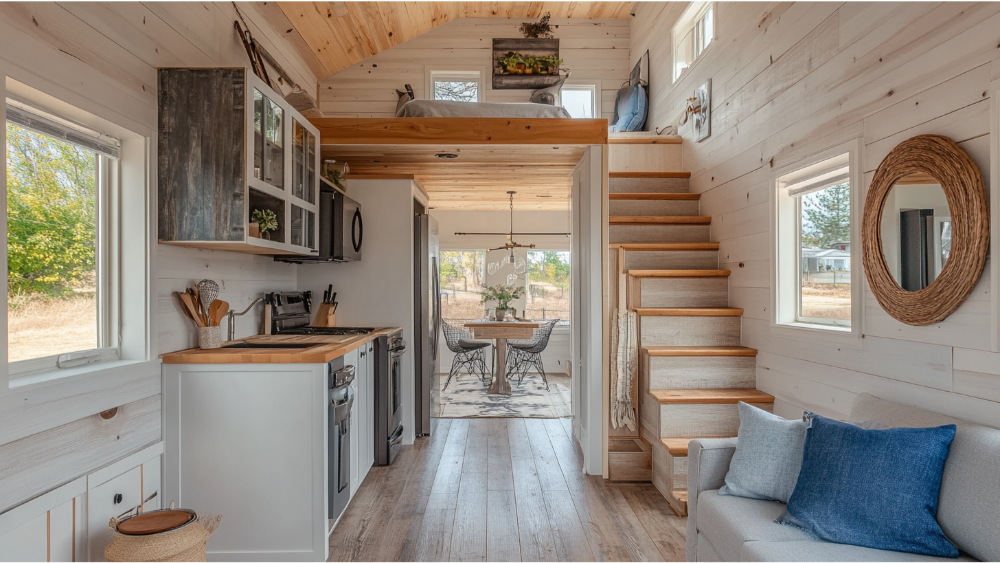
The decision to buy or build a tiny home depends on many things, including your budget, land, construction experience, lifestyle needs, timeline and future goals. For many Californians, this is not a choice between two options but rather aligning your project with what matters most to you.
Are you looking to save money on housing and have the independence that comes with living on your own terms? Are you planning a construction project to generate rental income or is this your permanent residence or future retirement retreat?
Knowing your “why” will help you figure out your “how”.
For some buying a tiny house is the fastest way to get in. If you already own land and can handle site prep and permits quickly a prebuilt unit can be ready in weeks. It’s perfect for those who want to start their tiny life right away without taking on the responsibilities of a full scale build.
For others building your own tiny home is a chance to create a space that’s entirely your own from layout to finishes. It’s a more hands on path that can be very rewarding especially if you’re comfortable putting in your own labor.
You might even be able to save a few hundred dollars here and there by sourcing reclaimed building materials or managing parts of the process yourself. But it takes more time, effort and planning.
Ultimately, it comes down to your priorities, driven by several factors like timeline, budget, lifestyle, and long-term goals:
- Are you looking for a fast move-in, or would you rather take the time to design and build an own home that reflects your personality, daily needs, and long-term vision?
- Are you hoping to spend as little as possible and go the low cost route, or are you investing in something that adds equity, functionality, and lasting value to your own house?
- Do you want something simple and flexible for now, or are you committed to building a permanent structure on a permanent foundation, something that meets California’s evolving housing codes?
- And most importantly, how much time and money are you prepared to invest in making your tiny home a reality?
Remember no matter what buying or building comes with trade-offs. Your time, budget and use will all impact what’s best for you. That’s where working with experienced pros, like us at Golden State ADUs, can mean the difference between a headache and a breeze.
Buying a Tiny House: What You’re Really Paying For
Average Price of Buying a Tiny House
If you’re exploring the option to buy a tiny house, know that pricing varies based on features, materials, and whether it’s move-in ready. Here’s a general breakdown of tiny house cost when purchasing directly from tiny house builders:
Entry-level tiny house shell kits: $4,000–$15,000
Pre built mid-range homes: $30,000–$60,000
Luxury finished models: $80,000–$100,000+
Many of these homes come prefabricated and are designed for efficiency. This makes them an affordable option for individuals and families who want to embrace the tiny life without getting bogged down in months of construction. While a larger big house might take a year or more to complete, buying a tiny home can put you in your new space in as little as a few weeks.
These prices typically include the structure and interior finishes but often exclude critical external items like foundation, land prep, and utility hookups. You’re paying for convenience and speed, just know that the upfront costs may not reflect the overall cost to occupy your new home.
Hidden Costs of Buying a Tiny House
On the surface, buying a brand new tiny home may seem like a simple, low cost solution, especially if you’re eyeing an attractive price tag from a factory-built model or a trendy listing online. However, it’s important to understand that the listed tiny house cost rarely includes everything you need to actually live in it.
In reality, there are several factors that can dramatically increase your final expenses, often by tens of thousands of dollars.
Additional Costs to Keep in Mind:
- Transport and delivery fees: If the unit is being shipped from out of state or requires special handling equipment, delivery alone could cost a few hundred dollars to over $10,000 depending on distance and access to your site.
- Foundation and site preparation: Most cities in California won’t allow you to simply park a tiny home and start living in it. You’ll likely need a permanent foundation, plus grading, trenching, and leveling, all of which can significantly impact your budget.
- Utility hookups: Connecting your new home to water, electricity, and sewer systems isn’t always straightforward. If your property isn’t already prepped for it, expect to budget for trenching, meters, or a septic system if you’re off-grid. Hookups can easily run $10,000–$30,000+ depending on your lot conditions.
- Permitting, zoning, and code compliance: California’s building codes are some of the most rigorous in the country. Even for tiny homes, you’ll need to meet minimum safety and energy efficiency requirements. If the unit is on wheels or doesn’t meet certain standards, you could face restrictions, or be prohibited from living in it full-time altogether.
- Purchasing land: If you don’t already own land, this is the most significant cost of all. The real estate market across California is competitive, and finding an affordable, zoned lot that allows for a tiny home can be a challenge. Land costs can quickly overshadow the price of the home itself, especially in high-demand areas.
Many prospective tiny homeowners are surprised to learn that a supposedly low cost, move-in-ready unit can come with substantial, unplanned expenses. While you may be able to purchase a pre built model for $50,000, the total tiny home cost to legally and safely place it on your property could double by the time all infrastructure, permits, and inspections are accounted for.
One of the most important, and often overlooked, factors is the requirement for a permanent foundation. While it may be tempting to opt for a trailer-based home that seems plug-and-play, most jurisdictions will require your tiny house to be structurally anchored and code-compliant if you plan to live in it full-time. This can extend your timeline and dramatically increase time and money spent before you can move in. For California homeowners, understanding these “hidden” expenses is key to making a smart investment. Working with an experienced partner, like Golden State ADUs, can help you navigate these complexities and avoid costly missteps.
Pros and Cons of Buying a Tiny Home
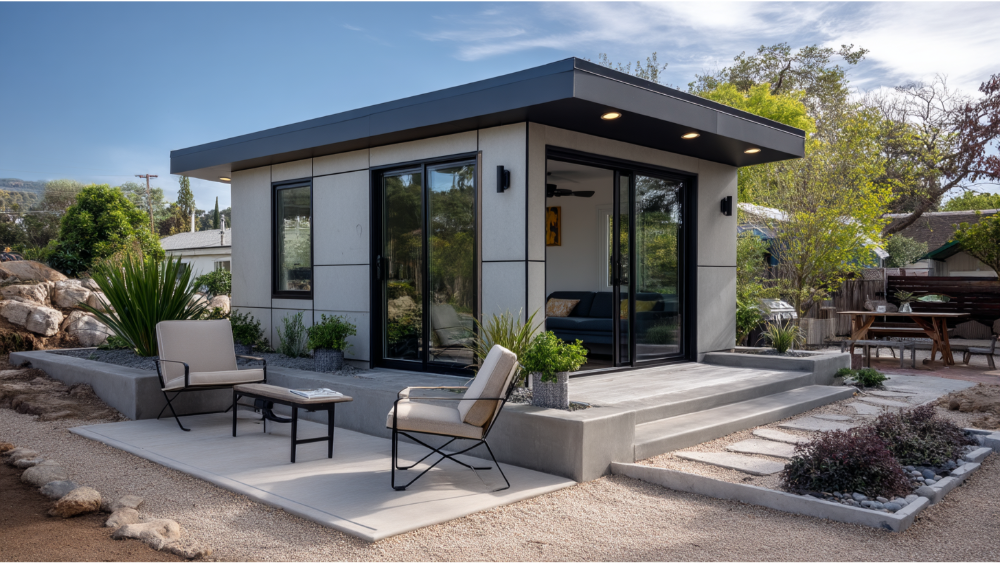
Buying a pre built tiny home does come with its benefits, especially if you’re looking for simplicity, convenience, or a faster path to occupancy. But it’s not a one-size-fits-all solution, and it may not always be the most cost-effective choice in the long run.
Pros:
- Quick move-in timeline: You could be living in your tiny house within 4 to 8 weeks, depending on site prep and permitting.
- Streamlined process: No need to manage subcontractors, design details, or coordinate material deliveries, everything is built and ready to go.
- Lower risk of construction delays: Since most of the work is done off-site, weather and scheduling issues have less impact.
Cons:
- Limited ability to customize layout and features: Many prebuilt models have fixed floorplans and finishes, offering little room for personalization.
- Higher risk of depreciation: If your unit is built on a trailer and not placed on a foundation, it may lose value more like a vehicle than a home.
- Land, permits, and site prep still required: Even with a finished unit, you’ll need a compliant location, which means additional steps, and costs.
- May not meet permanent housing requirements: Depending on your city or county, it might not qualify as a legal dwelling if it doesn’t meet local building codes or isn’t placed on a permanent foundation.
If your top priority is speed and ease, and you already own land that’s zoned and ready, buying a tiny home can be a great solution. But if your goal is to build long-term equity, ensure full compliance, and optimize every inch of your own tiny home, then building (or choosing a custom ADU) might be the better route.
Building a Tiny House: More Control, More Complexity
Average Tiny Home Construction Costs
If you’re looking to build your home from the ground up, you’ll have more control over layout, finishes, and efficiency. That said, the tiny home costs associated with DIY or custom builds vary widely:
- DIY builds: $30,000–$60,000
- Semi-custom builds: $60,000–$100,000
- High-end custom projects: $100,000–$150,000+
These figures include building materials, tools, permits, site work, and interior finishes. The total cost of a tiny home can vary depending on how much of the labor you do yourself and how complex your design is.
The Pros and Cons of Building Your Own Tiny House
Pros:
- Full customization across layout, materials, and storage
- Opportunity to use own labor to save more money
- Higher quality construction if done correctly
- Long-term durability and value (especially if built as an ADU)
Cons:
- Requires time, skill, and patience
- May take much time, 6 to 12 months or more
- Risk of mistakes or permitting delays
- Harder to budget precisely; own mistakes can cost dearly
Tiny home builders typically recommend a minimum size of 200–400 square feet for comfort and code compliance. Anything smaller may not meet California’s housing regulations. If you’re looking to design a space that balances affordability, sustainability, and legal usability, hitting that minimum size is essential.
Cheaper to Build? Only in Certain Cases
So, is it actually cheaper to build than to buy?
In some cases, yes. Especially if you’re using reclaimed materials, doing the labor yourself, and already own land. But if you’re hiring professionals or facing complex permitting processes, the home cost can quickly rival or exceed that of a purchased model.
It’s also important to make sure your finished home complies with local building codes. In California, this means everything from seismic safety to energy compliance, and if you plan to rent or resell, those factors matter.
For homeowners who value craftsmanship, personalization, and the satisfaction of creating their own home, building is an empowering journey. But it also comes with responsibility and time commitments.
Buy or Build: Comparing the True Costs
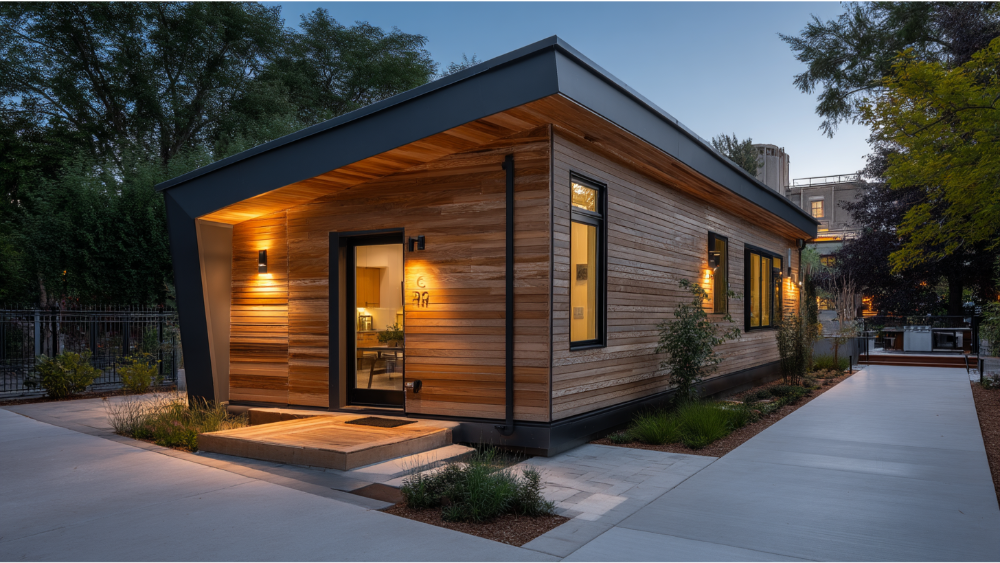
| Feature | Buy Turnkey | DIY Build | Custom Build |
|---|---|---|---|
| Average Price | $30,000–$60,000 | $30,000–$60,000 | $100,000–$150,000 |
| Build Timeline | 2–8 weeks | 3–6 months | 6–12+ months |
| Customization | Low | Moderate | High |
| Permit Required | Yes | Yes | Yes |
| Long-Term Value | Medium | Good | Highest |
Both paths offer benefits. Buying is faster. Building can lead to better quality. But neither is a shortcut. The best value depends on your long-term plans, and how you use the square feet you have.
Buying or Building: Key Factors to Consider
Do You Already Own Land?
If you already own property, you’re ahead. If not, purchasing land adds significantly to your tiny home costs. Many urban and suburban areas in California have zoning challenges, so location affects feasibility, and the overall cost.
Are You Skilled Enough to Build a Tiny House?
If you’re handy, the potential to save money is real. But inexperience can lead to setbacks and expensive own mistakes. Some owners opt to finish interiors themselves after purchasing a tiny house shell, a balance of cost and control.
What’s Your Timeline?
If you need to live in your home within two months, buying a pre built tiny home is likely the only viable route. Building takes longer, even for pros.
Are You Using the Home for Rental Income or Family?
For those planning to rent out their tiny home or house relatives, building a high-quality structure (ideally one that qualifies as an ADU) will offer better long-term ROI than a cheaper mobile unit.
Will You Need Financing?
Tiny homes on wheels are often classified as RVs or personal property, making them harder to finance. If your tiny home is built on a permanent foundation and permitted as an ADU, you may qualify for real estate loans or use home equity, adding value and flexibility.
ADU vs Tiny Home: The California-Friendly Alternative
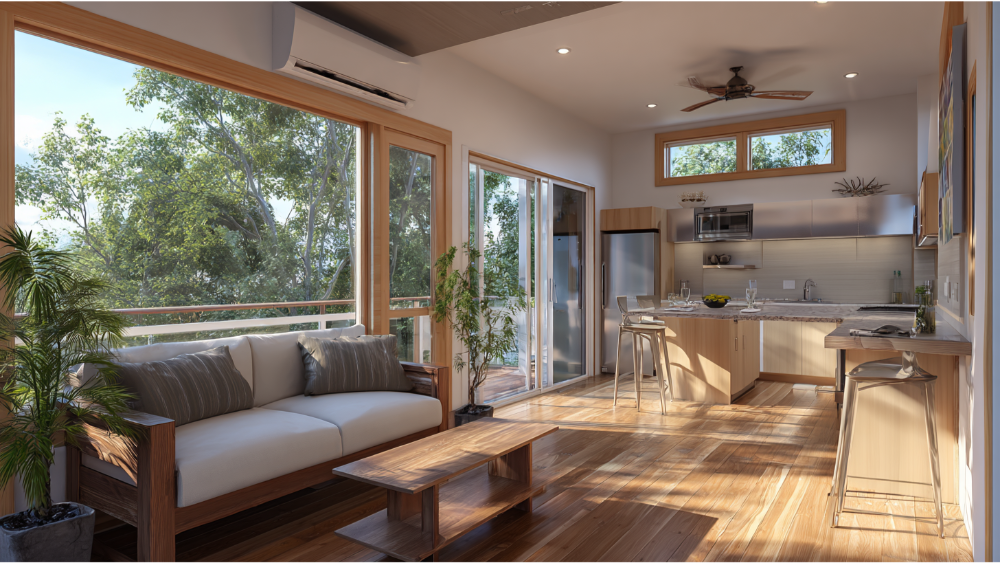
For many California homeowners, the best path isn’t a tiny home, it’s an Accessory Dwelling Unit (ADU). Unlike mobile tiny homes, ADUs are permanent, legal, and add value to your property. They’re also easier to finance and fully integrate with city infrastructure.
At Golden State ADUs, we specialize in legal, efficient ADUs that deliver more square footage and long-term value than a standalone tiny home ever could. We handle everything: design, permitting, utility planning, and construction.
If you want to save money, build equity, and create lasting living space, an ADU is the most strategic move.
Real-Life Examples: Buying vs Building
Buying a Tiny House in Folsom
A couple purchased a $52,000 pre built tiny home and paid another $14,000 for transport, foundation, and hookups. While they were able to move in quickly, the unit depreciated and did not meet ADU criteria, limiting resale and rental options.
Building a Tiny House in Carmichael
A homeowner built a 420 sq ft home for aging parents. Total home building cost: $120,000. The project qualified as an ADU, added equity, and now rents for $1,700/month, offsetting property taxes and yielding long-term returns.
Frequently Asked Is It Cheaper to Buy a Tiny Home or Build One Questions
Can I Build A Tiny Home On My Property In California?
Yes, but local zoning, lot size, and access to utilities must comply with building standards. Many jurisdictions prefer ADUs over mobile units.
How Much Does It Cost To Build Your Tiny House In California?
Most projects range from $30,000 to $150,000 depending on scope, finishes, and how much you do yourself.
What Permits Are Required For Building A Tiny Home In Sacramento?
You’ll need building, electrical, mechanical, plumbing, and energy permits. Other factors like site conditions or fire safety rules may also apply. Golden State ADUs handles the entire process for you.
How Long Does It Take To Build A Tiny Home From Start To Finish?
DIY builds may take 3–6 months. Custom professional builds often take 6–12+ months depending on permit timelines and availability of trades.
What’s Involved If I Want To Build A Tiny Home In My Backyard?
You’ll need to verify zoning, draw up plans, apply for permits, prep the site, and connect utilities. We recommend exploring ADU eligibility to maximize long-term benefit.
Is Buying Or Building Cheaper In The Long Run?
Buying may lower upfront costs. But building, especially as a permitted ADU, adds lasting value and utility to your property.
What’s The Average Tiny Home Lifespan?
A movable tiny home may last 15–25 years. A properly built ADU can last 50+ years and appreciate like any traditional homes.
Conclusion: Tiny Homes That Work for You
Tiny homes offer exciting opportunities for simpler living, rental income, and housing flexibility. Whether you want to own a tiny house, build a custom ADU, or explore hybrid models, Golden State ADUs is here to help.
While tiny homes can be a smart, affordable option, it’s important to keep in mind that even small decisions, like utility hookups, materials, or permit fees, can add up. Sometimes it’s just a few hundred dollars here or there, but those incremental costs can significantly impact your final budget if they’re not planned for upfront.
From your first ideas to the final walk-through, our team is your partner in smart small-space living.
Contact us today for a consultation, and let’s start building your future, one square foot at a time.