
In recent years, housing costs across California have reached record highs. As a result, many homeowners are looking beyond traditional houses and toward more flexible, affordable options. Among the most popular alternatives are tiny homes and mobile homes. Each offers a different take on compact living, and both come with their own benefits, tradeoffs, and zoning considerations.
If you’re trying to choose between a tiny home vs mobile home, you’re not alone. Many families are looking for ways to save money, add more space to their property, or adopt a sustainable lifestyle that aligns with minimalist living values. This guide will walk you through everything you need to know about these housing types, from square feet to construction, property taxes, and legal requirements in California.
What Is a Tiny Home?
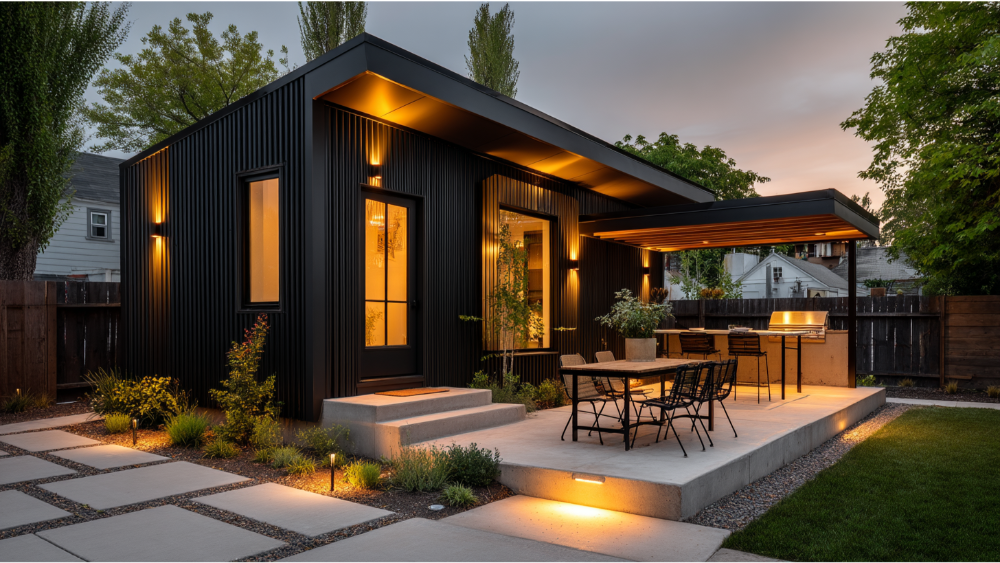
A tiny home, sometimes referred to as a tiny house, is typically a dwelling under 400 square feet. These homes and tiny living spaces are often custom-built or purchased as pre-fabricated units. They may be placed on a permanent foundation or built on a trailer for increased mobility. Designed for minimalist living, tiny homes appeal to individuals and families who prioritize flexibility, fewer resources, and a smaller environmental impact.
Key Features of Tiny Homes
- Usually between 100 and 400 square feet
- Can be built on a trailer (mobile) or a permanent foundation (stationary)
- Often custom-designed with space-saving layouts
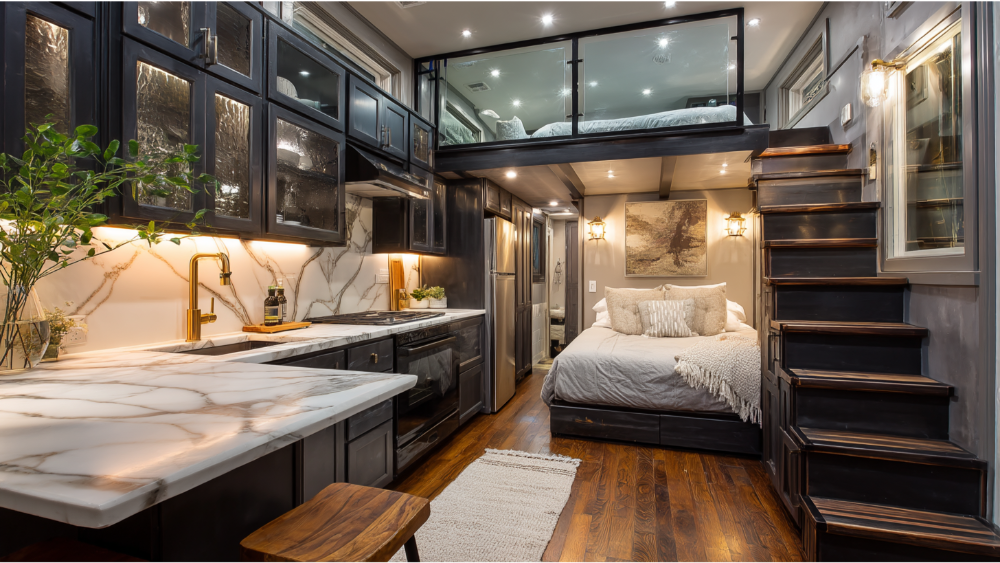
- Typically include essentials like a bathroom, kitchenette, loft, and living space
Advantages of Tiny Home Living
Tiny home living offers a wide range of lifestyle and financial benefits:
- Lower cost of ownership: Tiny homes are one of the cheapest options for creating new living space on your property, especially when compared per square foot to regular homes
- Eco friendly: Their small size means less energy use, less space taken up, and reduced resource consumption
- Mobility: Many tiny homes are built on trailers and can be moved from one location to another, supporting a nomadic lifestyle
- Self sufficient: With options like composting toilets, solar setups, and water storage, many tiny homes support off-grid living
- Faster construction: Whether custom-built or purchased as modular homes, tiny homes often take far less time to construct than traditional houses
Disadvantages of Tiny Homes
Despite the benefits, tiny homes come with a few limitations:
- Less space: The small size may not work well for larger families or those needing more room
- Zoning issues: In many locations, tiny homes on wheels may not qualify as legal residences without proper permits or a permanent foundation
- Hook ups and permits: Tiny homes still need proper hook ups for utilities and must comply with building codes if used as legal ADUs
What Is a Mobile Home?
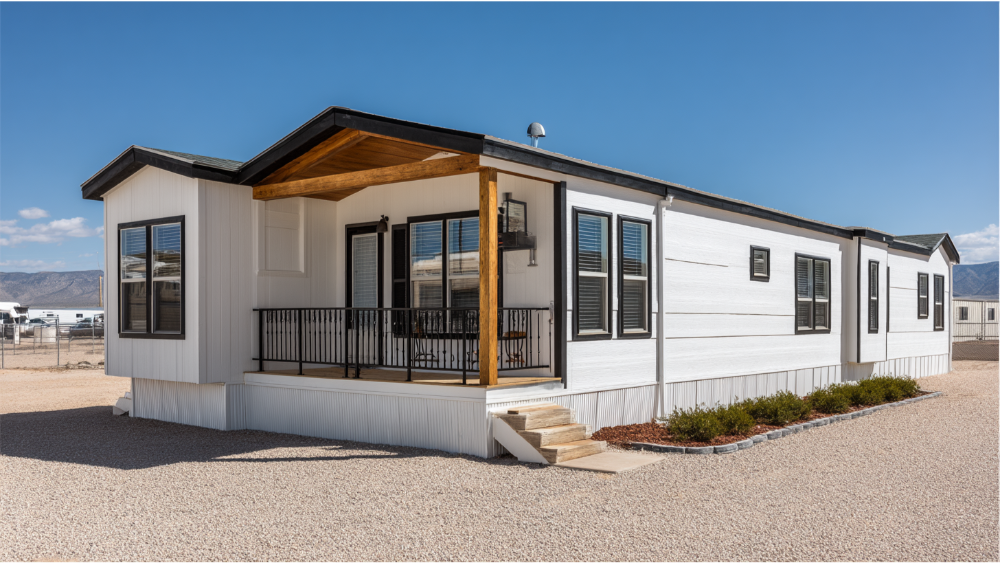
A mobile home, also called manufactured homes, is a factory-built dwelling that adheres to federal HUD construction standards. These homes are transported to a site and often placed in mobile home parks or on private land. Unlike tiny homes, manufactured homes are generally larger and provide more space, making them suitable for larger families.
Key Features of Mobile Homes
- Range from 600 to 2,000+ square feet
- Built in a factory and transported to site
- Often placed in mobile home parks, on owned land, or in park models designed for seasonal use
- Include full-sized kitchens, bathrooms, and multiple bedrooms
Advantages of Mobile Homes
- More space: Ideal for families who need a full-size living house with multiple rooms
- Affordable: Still considered an affordable alternative to regular homes, especially in certain areas
- Quick installation: Once delivered, setup is typically fast
- Modern mobile homes now offer impressive finishes, high quality materials, and energy efficiency, including options like solar panels
Disadvantages of Mobile Homes
- Zoning limitations: In many cities, you cannot place a mobile home on residential property unless it is in a pre-zoned area or park
- Depreciation: Unlike tiny homes or site-built dwellings, traditional manufactured homes often lose value over time unless built on owned land
- Park fees: If you don’t purchase land, you may be required to rent space in a mobile home park, leading to ongoing costs
- Higher cost of utilities: Because of their larger space, mobile homes typically consume more energy, water, and require more maintenance
Tiny Home vs Mobile Home: Cost Comparison
When it comes to cost, both options are significantly cheaper than building a full-size house, but the details matter.
| Feature | Tiny Home | Mobile Home |
|---|---|---|
| Average Cost | $30,000 to $150,000+ | $50,000 to $120,000+ |
| Size | 100–400 sq ft | 600–2,000+ sq ft |
| Cost Per Square Foot | Higher | Lower |
| Utility Bills | Lower due to less space | Higher due to more space |
| Setup Time | Weeks to months | Days to weeks |
| Zoning Flexibility | Increasing in CA cities | Limited outside mobile home parks |
| Resale Potential | Moderate to strong | Often depreciates unless land is owned |
For example, if you want to save money, a tiny house may cost more per square foot, but the total cost is lower. Plus, it uses fewer resources and offers self sufficient upgrades. However, if you need a larger space and faster setup, manufactured homes may be a better option, especially if you can place one on land you own.
Zoning and Legal Considerations in California
Tiny Homes and ADUs
In California, a tiny home built on a permanent foundation may qualify as an ADU (Accessory Dwelling Unit). This makes it legal to place in your backyard in cities like Sacramento, Roseville, Elk Grove, and Folsom. These homes must comply with building codes and property zoning regulations, and often require proper hook ups to electricity, water, and sewage.
Tiny homes on wheels may fall under the recreational vehicle category and cannot be used as legal ADUs in most locations.
Mobile Homes and Zoning
Mobile homes, or manufactured homes, are regulated under HUD standards and generally restricted to mobile home parks or large, rural land parcels. You typically cannot use a mobile home as an ADU on a suburban property. This makes it less appealing for homeowners looking to expand their living space legally within city limits.
Lifestyle and Environmental Considerations
Environmental Impact and Sustainability
For those seeking a sustainable lifestyle, tiny homes are the clear winner. They require less energy to heat and cool, use fewer resources to build, and encourage minimalist living. Many tiny house owners install solar panels, compost waste, and use composting toilets to reduce their environmental impact.
Mobile homes have improved significantly over the years, and modern mobile homes offer better insulation and energy efficiency. However, due to their larger space, they inherently consume more power and materials.
Which Is More Self Sufficient?
Tiny home living supports off-grid setups, water collection systems, and high-efficiency appliances. These homes are ideal for those who want to live more independently, use composting toilets, and rely on solar panels.
Mobile homes can be upgraded for off-grid use but require significantly more infrastructure due to their size. They are less likely to support a fully self sufficient lifestyle without major modifications.
Space and Lifestyle Preferences
Best for Minimalist Living
If you’re interested in the tiny house movement or downsizing your lifestyle, a tiny home is a natural fit. The small size forces thoughtful decisions about storage, daily routines, and possessions. For most people, singles, couples, or even small families, tiny homes offer an intentional, efficient way to live.
Best for Larger Families
If your priority is more room, multiple bedrooms, and a more traditional layout, a mobile home is the better fit. Manufactured homes are great for families that want an affordable alternative to regular homes without giving up comfort.
Final Thoughts: Which Option Is Right for You?
Choosing between a tiny home vs mobile home depends on your goals, location, and the kind of lifestyle you want. If you’re a California homeowner looking to add a legal ADU to your property, a tiny home built on a permanent foundation is likely the better option. It offers the best combination of legal flexibility, low cost, efficient construction, and long-term value.
Mobile homes, while attractive for more space and fast setup, are often limited to mobile home parks or rural areas and may not comply with urban zoning for ADUs. For many, the inability to legally place a mobile home in a backyard makes it a less practical choice.
Frequently Asked Tiny Homes and Mobile Homes Questions
What is the cheapest option: tiny home or mobile home?
Tiny homes usually have a lower total cost, but mobile homes may be cheaper per square foot. It depends on what you prioritize, more space or total savings.
Can I place a tiny home on my property in California?
Yes, especially if it’s built on a permanent foundation. You’ll need to meet local building codes and submit your plans for approval.
Are mobile homes allowed in all locations?
No. Mobile homes are typically limited to mobile home parks or specially zoned land. Most suburban cities do not allow them as ADUs.
What about property taxes?
A tiny home built as a legal ADU will increase your property taxes, but often less than a full-size house. Mobile homes placed in parks usually have their own separate tax structure.
Which is more eco friendly?
Tiny homes are more eco friendly by design, with lower resource consumption, a small size, and better adaptability to self sufficient systems.
Build Your California ADU with Golden State ADUs
At Golden State ADUs, we help California homeowners design and build high-quality, code-compliant tiny homes that work as legal ADUs. From permitting and design to construction, we’re with you every step of the way. Whether you’re looking to earn more money through rent, house extended family, or embrace a simpler lifestyle, our team delivers proven results.
Contact us today to get a quote or schedule a consultation, and let’s turn your property into a more flexible, more valuable, and more livable space.