
Designing a beautiful and functional tiny home in 2025 is no longer a challenge, it is an opportunity to showcase creativity, efficiency, and personal style in a compact living space. With the rise of tiny houses across California and beyond, homeowners are embracing smarter ways to live with less while gaining more comfort, flexibility, and freedom.
At Golden State ADUs, we specialize in designing and building tiny homes and Accessory Dwelling Units (ADUs) that make the most of every square inch. Whether you’re planning a backyard tiny house in Sacramento, a compact guest suite in Folsom, or a rental-ready tiny home in Elk Grove, great interior design is the foundation of making your small home feel expansive, organized, and truly livable.
In this guide, we’ll explore the top tiny home interior design trends of 2025, provide room-by-room design ideas, and share expert tips on how to create a tiny house interior that feels welcoming, open, and practical. Whether you’re building from the ground up or remodeling an existing space, these strategies will help your home feel spacious, stylish, and perfectly suited to your lifestyle. We focus on making tiny living simple and accessible, truly tiny easy.
Why Interior Design Is Crucial in Tiny Homes
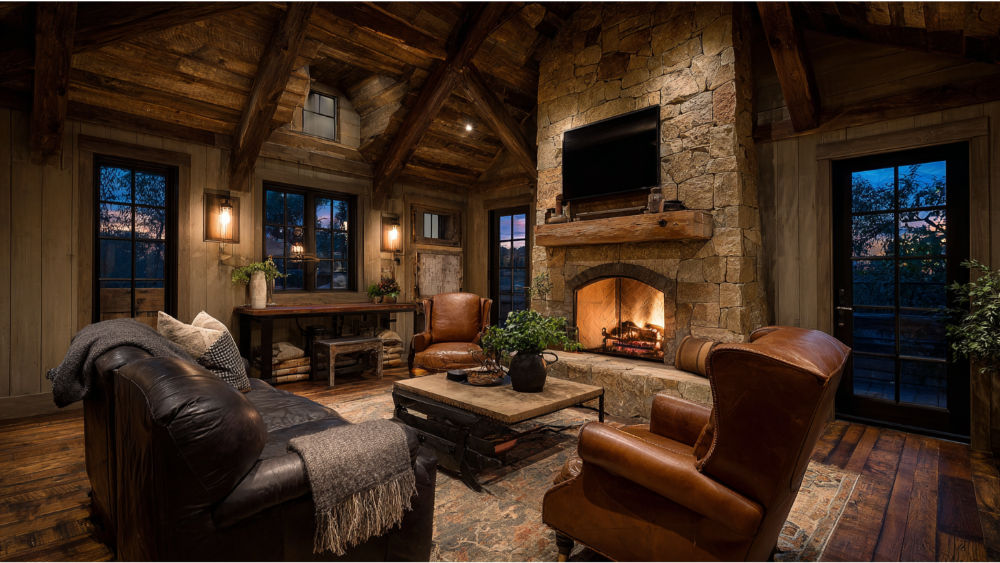
When it comes to tiny living, every decision matters. From the layout of your living room to the position of your sink and toilet, thoughtful interior design directly impacts how functional and enjoyable your tiny house becomes. Unlike traditional homes, tiny homes offer limited floor area, so the available space needs to serve multiple purposes.
In our experience designing tiny houses across Northern California, great design is what transforms a small living area into a well-functioning home. Whether it’s a murphy bed that tucks away during the day, a built-in desk for remote work, or strategic lighting that brightens every corner, smart choices create harmony between form and function.
2025’s Top Tiny Home Interior Design Trends
Sustainability and Eco-Friendly Materials
In 2025, sustainability is more than a trend, it’s a standard. Many tiny home owners are choosing low-VOC finishes, recycled and reclaimed wood, bamboo flooring, and energy-efficient appliances. Solar panels, composting toilets, and rainwater systems are also becoming more common in tiny houses focused on reducing environmental impact.
Choosing eco-conscious materials doesn’t mean sacrificing style. Natural finishes and organic textures help create a calm, cozy interior that connects seamlessly to the outdoors.
Multipurpose Furniture and Smart Storage Space
One of the best parts of tiny house interior design is finding clever ways to double up on functionality. In 2025, murphy beds, nesting tables, and convertible sofas are essentials for maximizing living room space. Furniture that folds, slides, or tucks away allows your living area to adapt to your needs throughout the day.
Built-in storage is also key. From stairs that contain drawers to under-bed compartments and wall-mounted shelves, we incorporate ample storage into every project. In our Sacramento ADUs, we often add hidden cabinets, pull-out pantries, and nooks for everything from linens to laptops. Organization in small spaces means designing with intention.
Natural Light and Open Design
Natural light transforms any tiny home. Large windows, skylights, and glass doors help connect interior rooms with the outdoors while making the home feel more open. Reflective surfaces like mirrors or glossy tiles bounce light around the room, enhancing the perception of depth.
We often recommend clerestory windows, sliding doors, and vaulted ceilings to increase light flow. Light-colored walls and cabinetry also keep the interior bright without overwhelming the space.
Personalized Layouts for Real Life
Every tiny house serves a different purpose, some are rental units, others are office suites, and many are homes for retirees or families with children. That’s why we create fully custom layouts designed to accommodate your daily routines.
In 2025, there’s growing demand for dual-bedroom tiny homes, pet-friendly nooks, dedicated desk areas for remote work, and kitchenette layouts with full counter space and modern appliances. Whether it’s a private loft for a teenager or an ADA-accessible bathroom, tailored design makes a big difference.
Modern Interior Styles for Tiny Homes
Several interior design aesthetics are especially well-suited for tiny houses:
- Scandinavian minimalism: Clean lines, neutral tones, and cozy textures make small homes feel open and calming.
- Japandi: A fusion of Japanese and Scandinavian style, it emphasizes natural materials and minimalist beauty.
- Modern farmhouse: Shiplap walls, matte black fixtures, and rustic wood add character without crowding the room.
- Industrial chic: Exposed beams, metal finishes, and concrete accents create a bold yet efficient tiny home environment.
These styles prioritize simplicity, functionality, and a warm, cozy vibe, perfect for tiny living.
Room-by-Room Tiny Home Interior Design Ideas
Living Room
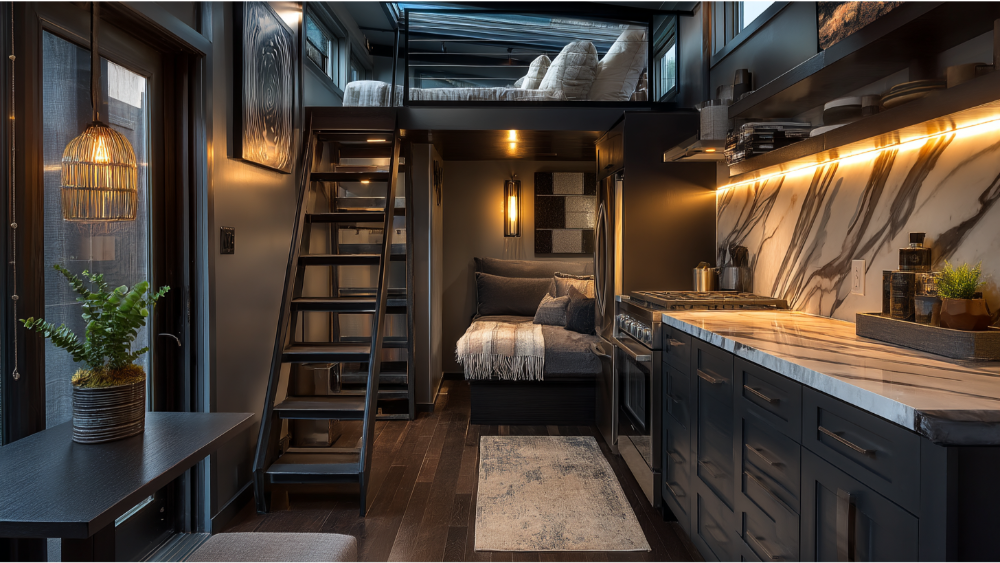
Your living room is the heart of your tiny house, so it must be flexible and efficient. We recommend built-in sofas with hidden storage, wall-mounted TVs, and floating shelves to save floor space. Use lightweight, modular furniture that can be moved or stowed when not in use.
Rugs and lighting can define separate zones without needing physical walls. A wall-mounted desk can double as a dining table or office nook, while poufs or chairs offer flexible seating for guests.
Kitchen and Dining
A smart kitchenette design is essential for tiny homes. L-shaped and galley layouts work best, offering efficient counter space, vertical cabinets, and room for full-sized appliances when needed. Pull-out cutting boards, compact fridges, and all-in-one ranges help maintain functionality in limited space.
Add a fold-out dining table, or install a bar top with stools along the wall for informal meals. Magnetic knife racks, under-cabinet lighting, and tucked spice drawers enhance storage and ease of use.
Bathroom
A well-designed bathroom in a tiny house can still offer comfort and luxury. Wet baths, where the shower shares floor space with the sink and toilet, are efficient and stylish. We also recommend pocket doors, wall-mounted sinks, and recessed shelving for toiletries.
Frameless glass showers, compact vanities, and smart ventilation make the most of this small space without feeling cramped. Add a warm-tone tile or natural wood element to bring in a spa-like feel.
Bedroom and Loft
Sleeping areas should be both cozy and space-saving. A main-level bedroom can include a murphy bed, under-bed drawers, or a loft with stairs that double as storage. We install custom shelving, wall sconces, and blackout shades for comfort and function.
Loft bedrooms are a staple of tiny houses, especially for single occupants or couples. Kids’ rooms often include bunk-style beds, built-in desks, and playful nooks.
How to Add Personality in a Small Interior
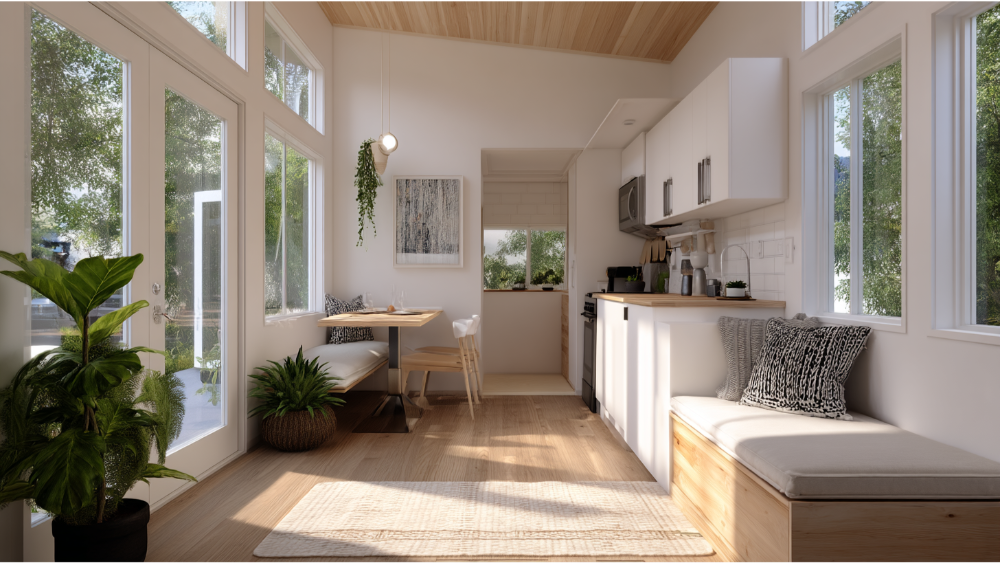
A tiny home should reflect your personality. Use texture, color, and meaningful items to make your living area feel like home. Add wall-mounted artwork, curated books, and personal decor that doesn’t take up valuable floor space.
Choose a cohesive color palette, add plants to soften corners, and keep surfaces clear for a clean and organized look. Don’t overcrowd, focus on a few special pieces that add warmth and meaning.
Common Tiny House Interior Challenges and Solutions
Even the most beautiful tiny houses face design challenges. Here’s how we solve them:
- Clutter: Invest in closed storage, built-ins, and vertical shelving.
- Privacy: Use curtains, sliding doors, or room dividers that don’t block light.
- Limited zones: Use rugs, lighting, and furniture placement to define areas for working, eating, or relaxing.
Our team helps clients in Sacramento and throughout California address these challenges with smart, customized interior design solutions.
Tips from the Golden State ADUs Design Team
- Function comes first, then style. Your layout should support your lifestyle.
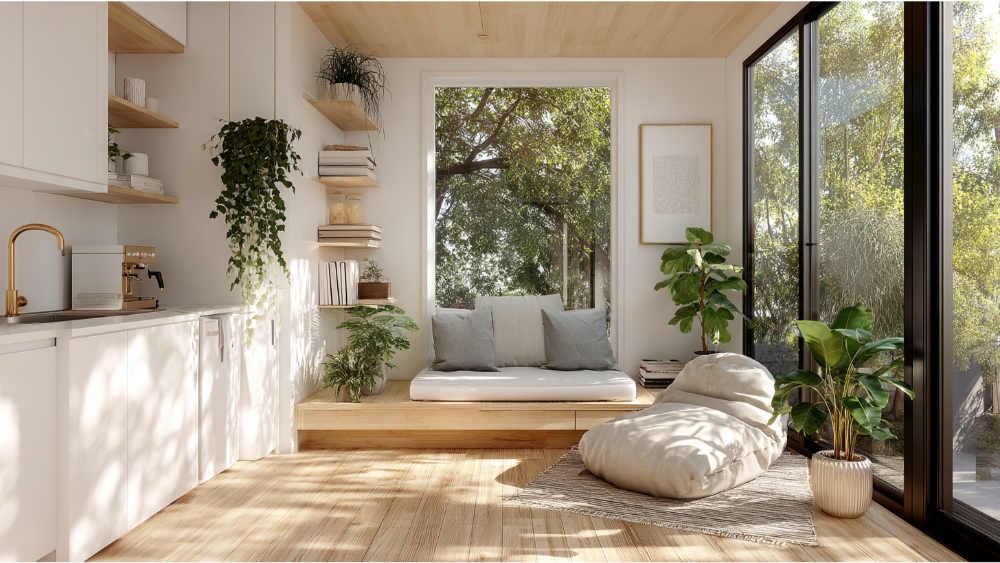
- Use natural light strategically to open up the space.
- Choose multi-functional furniture with storage built in.
- Think vertically, use your walls, ceiling, and lofts to maximize available space.
- Keep materials durable, cleanable, and appropriate for compact living.
Frequently Asked Tiny Home Interior Design Questions
What is the average cost of designing a tiny house interior?
Depending on the level of customization, most tiny home interior design projects range from $10,000 to $25,000. This includes cabinetry, lighting, furniture, flooring, and finish selections.
Can I really fit everything I need in a tiny home?
Yes, with careful planning. We design each tiny house interior to include sleeping areas, a full bathroom, kitchenette, living room, work nook, and storage space.
What layout works best for a couple?
A main-level bedroom with a loft for guests works well. Open-plan living and dining areas help keep the home feeling spacious.
How long does interior design take?
Design typically takes 4 to 6 weeks, including floor plans, layout approvals, material selection, and ordering.
What is better, custom or prefab?
Custom builds offer more flexibility, while prefab tiny homes offer speed. We help homeowners choose the best path based on goals, timeline, and budget.
Conclusion: Creating a Tiny Home That Lives Large
Designing a tiny house is an opportunity to live smarter, more sustainably, and with greater intention. With the right interior design, you can make even the smallest space feel like a full-size home, stylish, efficient, and perfectly suited to your lifestyle.
At Golden State ADUs, we bring experience, creativity, and construction know-how to every project. Whether you’re adding a tiny home in your backyard for family, rental income, or your own next chapter, our team helps you create a high-quality, functional living space with lasting value.
Ready to design your dream tiny home or ADU? Contact us today for a free consultation.