
Accessory dwelling units have become a powerful tool for California property owners who want to expand living options, generate rental income, or better support multigenerational families. But not all ADUs are created equal. In this detailed guide we explore what are the different types of ADUs, how they’re categorized, what works best for your lot and goals, and why Golden State ADUs is your best partner for choosing and building the right version.
If you’ve ever wondered, “Which ADU type is right for me?” or “Can I convert my garage into a guest house?” read on, we’ll cover everything from garage conversion ADUs to detached ADUs and junior ADUs.
What Is an Accessory Dwelling Unit?
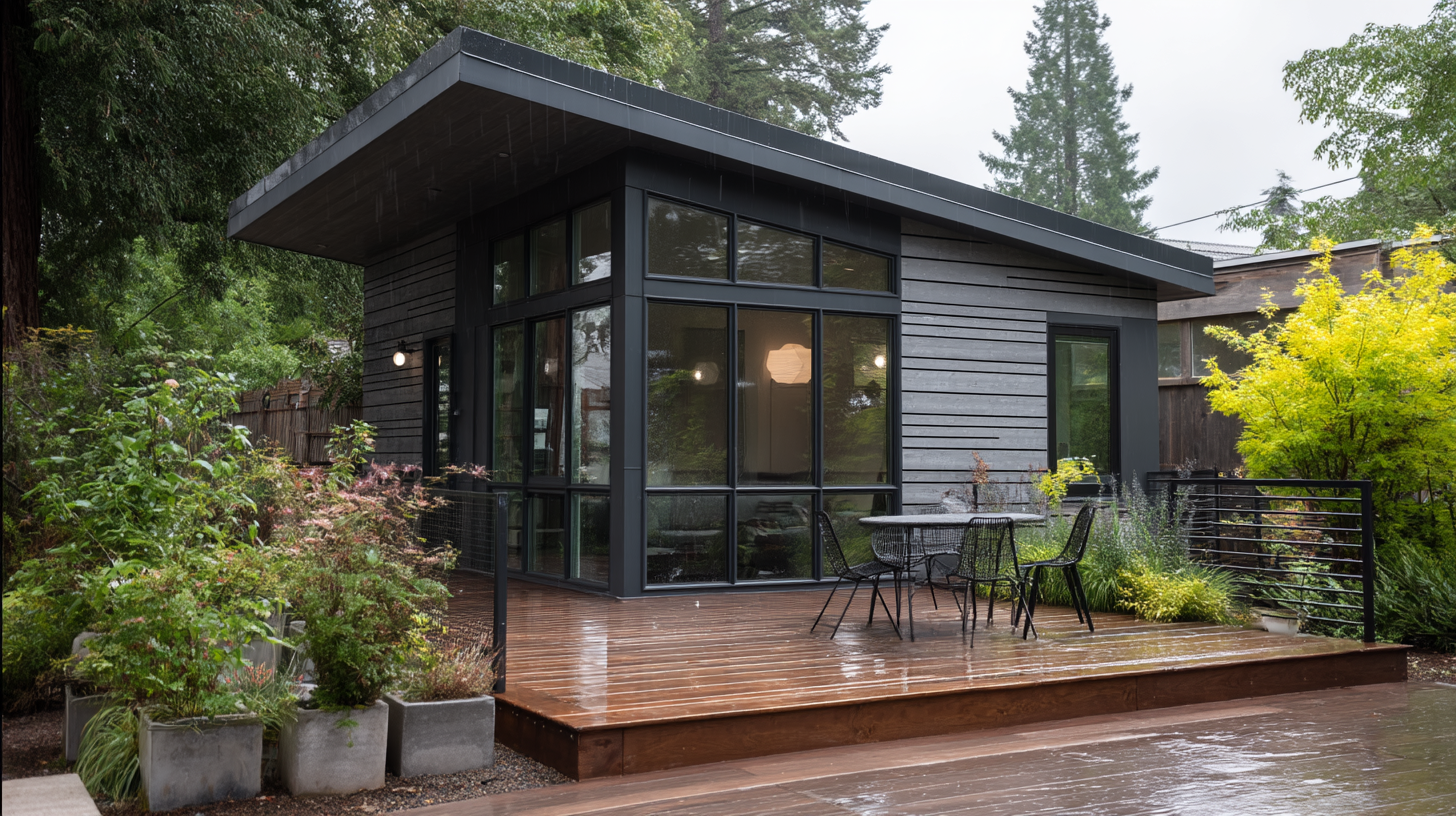
An accessory dwelling unit is a separate living space on the same property as a primary residence (single family home or multiunit). California defines an ADU as a secondary housing unit with complete independent living space including its own kitchen, bathroom, and sleeping and living areas.
By definition, the ADU is fully independent, meaning it’s a dwelling unit that functions like a small home. It is not simply a room addition or a suite without its own exterior entrance. This is critical to know before planning.
ADUs are also sometimes called granny flats, in-law units, or backyard cottages, especially when they are built as “guest house” style. They provide a dedicated space for occupants, ensuring privacy and independence from the primary residence.
Why California Homeowners Build ADUs
Many homeowners choose ADUs because they:
- Provide extra living space without moving.
- Offer a path to earning rental income.
- Support family living, e.g. for aging parents, elderly family members, adult children, or caregivers.
- Increase property value by adding a second living unit legally.
- Serve as affordable housing solutions within existing neighborhoods, helping to provide affordable housing options.
Given recent state reforms that ease permitting hurdles and reduce local restrictions, an ADU is now more achievable than ever in many California locations.
But again, “ADU” is a broad term. To make the right choice, you must understand types of ADUs and how each one functions in real world settings.
The Major ADU Types: How They Differ
Below are the most common types of ADUs in California, with pros, cons, and use cases. Wherever possible we show how your lot or existing structure might favor one type over another.
Detached ADUs / Detached New Construction
A detached ADU is a free standing dwelling unit built separately from the main structure, often in a backyard or side yard. Think of it as a small guest house or cottage.
Advantages:
- True private space with no shared walls.
- Maximum flexibility in layout, finishes, and orientation.
- You preserve your primary home’s structure and footprint unaffected.
Challenges:
- Requires enough yard area and compliance with local zoning regulations (setbacks, lot coverage, height).
- Has the highest cost per square foot because you’re building a new structure from scratch (foundation, utilities, exterior).
- Site work, grading, and utility runs can add up, especially on constrained lots.
When it’s ideal:
- You have ample backyard space.
- You want a standalone unit ideal for long-term tenants, guests, or for eventual sale.
- You want to maximize rental income and create a fully independent living unit.
Attached ADUs / Attached Units
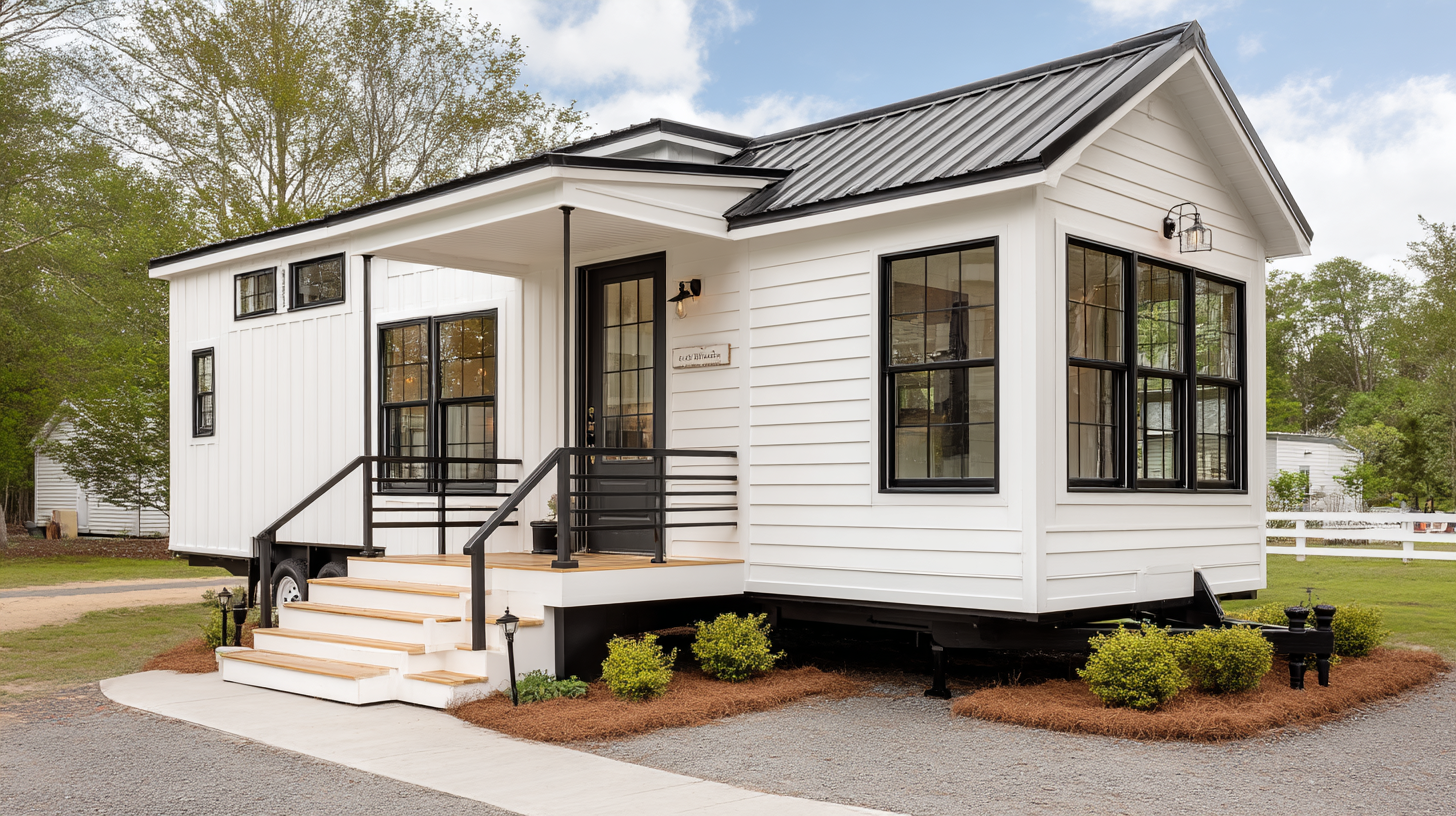
An attached ADU (also called an addition) is built contiguous with the existing home, often sharing at least one wall, roof tie‑in, or some structural connection. The ADU has its own exterior entrance and full facilities.
Advantages:
- Lower cost to connect to existing utilities (plumbing, electrical).
- Less site disruption compared to fully detached ADUs.
- Can be more efficient to build in conjunction with the main house.
Challenges:
- Because it shares structure, design must integrate well with existing architecture.
- Less “private separation” than detached units.
- If the site is constrained, achieving proper setbacks or building code compliance may be trickier.
Best use:
- You want extra living space but don’t have enough room for a fully detached structure.
- You want better cost control while still adding an independent living unit.
Garage Conversion ADUs / Garage Apartment / Carriage House Conversion
Garage conversion ADUs are among the most popular routes because they reuse existing building elements. You convert an existing attached garage or detached garage into a full living space with kitchen, bath, and sleeping area.
This type is a specific subtype of conversion ADU, as it transforms a preexisting structure rather than building entirely new construction.
Pros:
- Lower cost since you are repurposing structure and slab.
- Faster time to completion in many cases.
- Minimal new external footprint or site disturbance.
Cons:
- You lose the existing garage space, or need to find replacement parking.
- Structural upgrades, insulation, or roof and code compliance may be required.
- Utility line routing, drainage, or foundation adjustments may be needed if the original garage wasn’t built for habitation.
Use cases:
- A homeowner already has an existing garage or carriage house that is underused.
- You want to maintain affordability while still creating a fully functional rental unit or guest apartment.
- You want to reduce cost while creating a private, standalone living space within your property.
A carriage house conversion is similar, you convert a second structure above or adjacent to a garage into a full blown living space. Because it builds on existing elements, it is often cost‑efficient while meeting the needs of independent occupancy.
Interior Conversion / Internal ADU
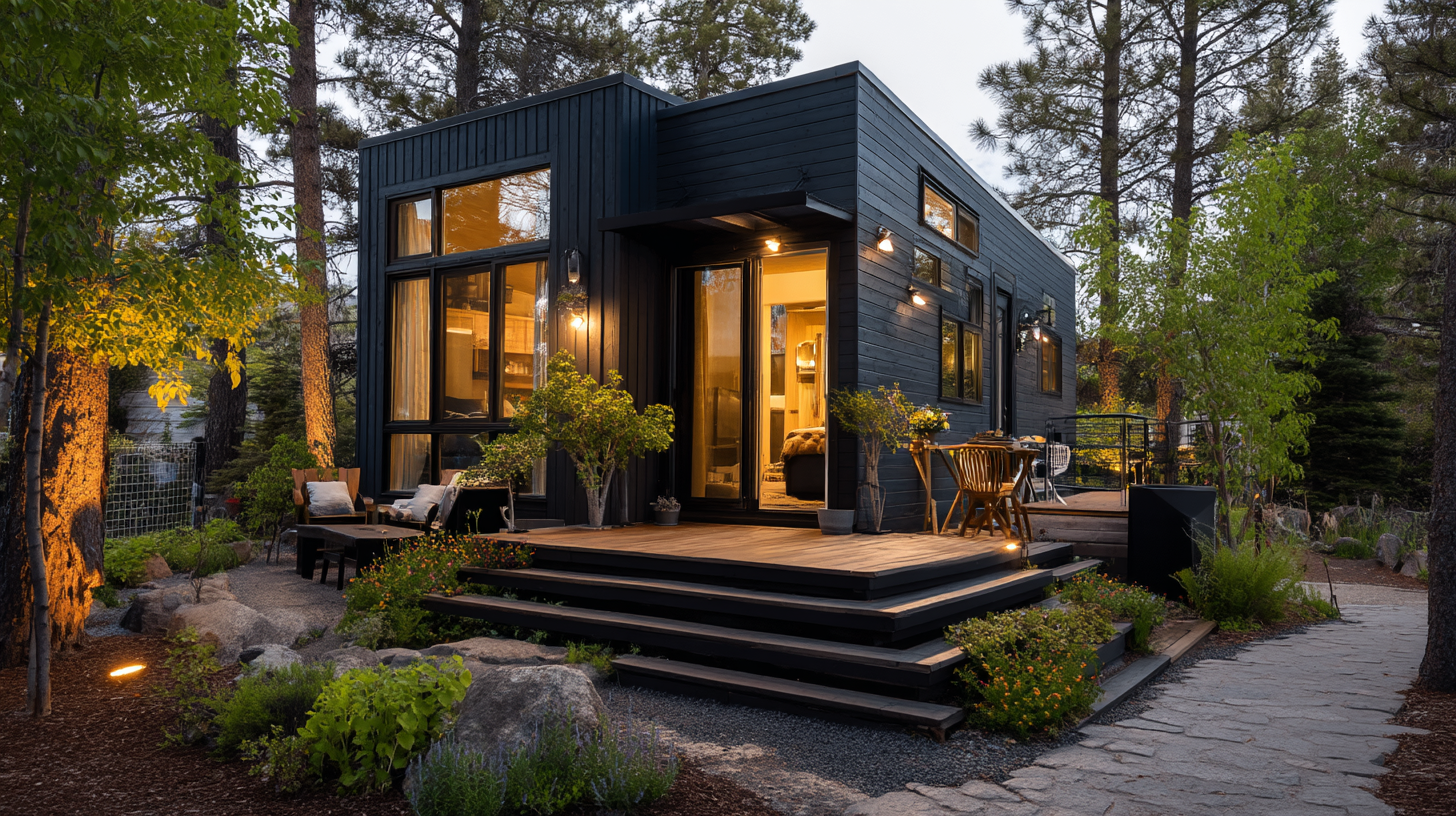
In this model you convert existing space inside your home, such as a large spare room, basement, attic, or unused wing, into a separate dwelling with its own entrance, bathroom, and kitchen if possible. This is often called an internal conversion option or basement conversion (if converting the basement) or basement apartment / basement ADU.
Advantages:
- Among the lowest cost ways to add a separate living space because you’re not building new walls or structural elements.
- No external footprint changes, less landscaping or site work.
- Can be ideal in dense neighborhoods where yard space is limited.
Challenges:
- It may feel less “separate” (shared walls or floors).
- Structural or fire separation, ventilation, access, and egress may impose constraints.
- Existing utilities may need reconfiguration.
Best for:
- Homeowners with underutilized interior space (basement, attic) wanting to add a secondary housing unit without altering the exterior.
- Use by young adults, caregivers, or relatives needing a semi-private living arrangement.
Junior ADUs (JADUs)
A junior ADU is a specific California type of small unit (max 500 sq ft) built within an existing single family home. This is not a full detached or addition ADU, rather it converts part of your home (like a bedroom) into an independent living unit, often with a kitchenette and possibly shared bathroom.
Key points:
- JADUs must be entirely within the footprint of the existing home.
- They must have their own separate exterior entrance from the outside.
- They may share a bathroom with the primary dwelling if permitted.
- JADUs can coexist with a full ADU on the same property in many jurisdictions.
- They are often the lowest cost pathway to adding housing on a property.
Because they don’t require a lot of external new work, a JADU is a great option if you want affordable housing options and already have some spare interior volume.
Two‑Story / Stacked ADUs
On lots with limited footprint, a two-story or stacked ADU is a clever way to maximize square footage. This ADU type builds vertically and may be standalone or attached.
Pros:
- More living area without expanding into yard space.
- Good for multi‑bedroom units or accommodating multiple occupants.
Cons:
- Engineering complexity is higher (load, structure, egress).
- Height limits and local building codes may restrict allowable stories or total square footage.
- More costly per square foot relative to single story conversions.
Common use:
- Lots in urban or infill settings where horizontal expansion is limited.
- When you’re maximizing property value and rental income on tight parcels.
Combination / Mixed ADUs
Some properties lend themselves to hybrid strategies, converting one part of the property and adding a small new structure to supplement. For example, converting part of a garage and building a small addition, or combining a JADU plus a detached ADU. These creative spaces approaches let homeowners adapt to site limitations while maximizing usable area.
How to Choose the Right ADU Type
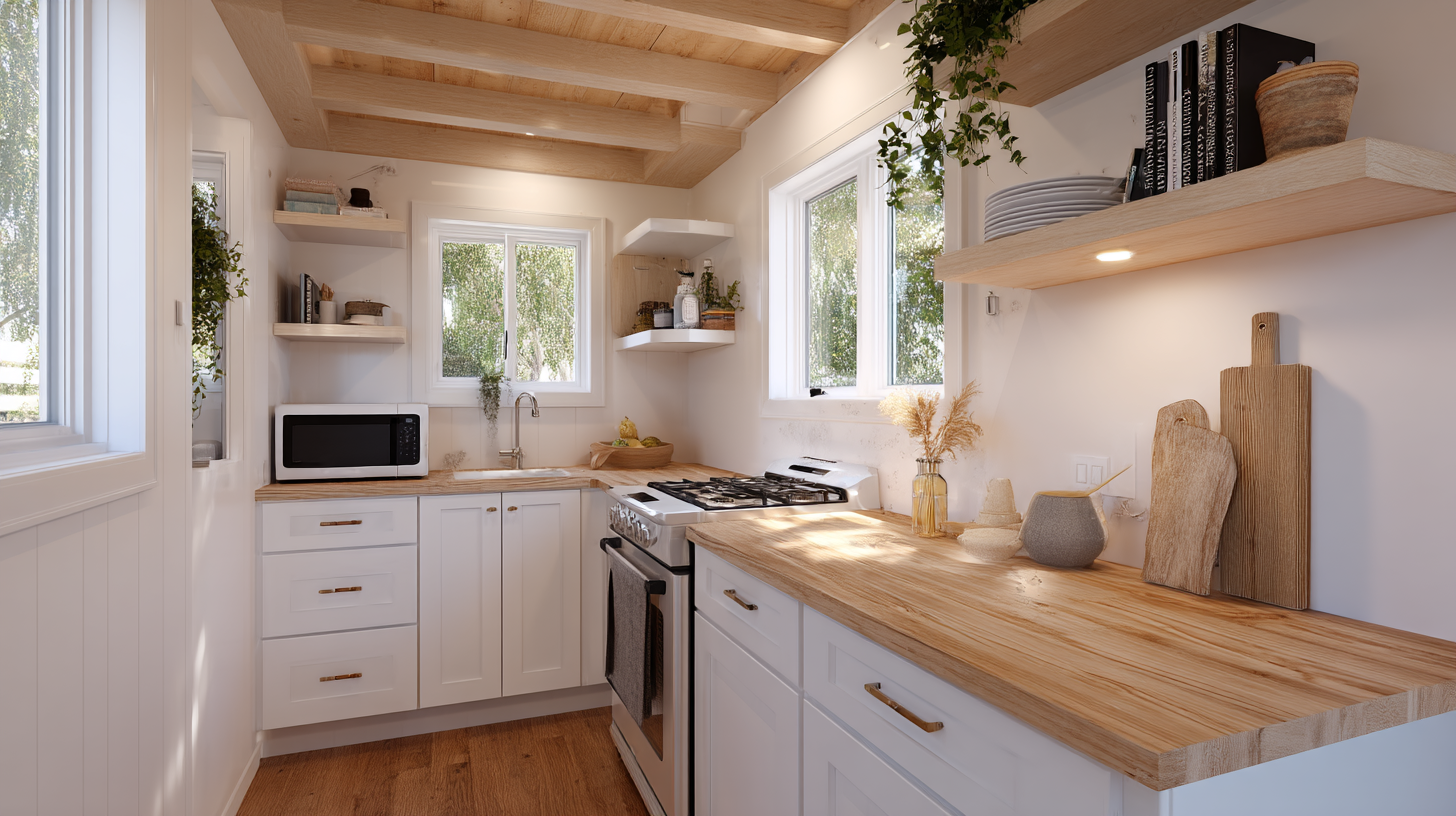
Selecting among these ADU types comes down to four main decision criteria:
1. Available Space & Lot Constraints
- If your single family residential lot is wide and deep, a detached unit may be possible.
- If yard space is tight, garage conversions or interior conversions may be more realistic.
- Local zoning regulations dictate setbacks, height, lot coverage, and usable area for each type.
2. Budget & Cost Efficiency
- The most expensive are detached new construction ADUs due to full structure, site work, foundation, utilities.
- Conversion ADUs (garage, basement) are more cost‑efficient.
- JADUs tend to be the most affordable per square foot because they reuse existing space.
3. Privacy & Functionality
- Detached or two‑story units provide better separation and private entrances.
- Attached or interior conversions might share noise or systems with the main house.
- Think about who will live there, a long-term tenant, family members, or guests.
4. Permitting, Code, and Local Regulation
Every city has different rules, allowable size, required parking, height limits, fire separation, etc. Some jurisdictions may allow detached ADUs but restrict stacked units or two stories.
Golden State ADUs can evaluate your property and verify exactly which ADU types are permitted before you commit.
Sample Comparisons
| ADU Type | Cost Tier | Privacy / Separation | Best Lot Conditions | Ideal Use |
|---|---|---|---|---|
| Detached / Detached New Construction | High | High | Spacious yards, few constraints | Rental unit, guest cottage |
| Attached ADU | Medium | Moderate | Moderate yard, good structural integration | In‑law suite, caregiver unit |
| Garage Conversion ADU | Lower | Moderate | Existing attached garage or detached garage, small yard | Budget rental, small family unit |
| Interior Conversion / Basement ADU | Lower | Lower | Limited yard, interior space available | Young adult housing, such as college students or caregivers |
| JADU | Lowest | Lower | Inside existing home | Small independent living for spouse, caregiver, or guest |
| Two‑Story ADU | Medium‑High | High | Tight lot, need vertical expansion | Multi-bedroom rentals, maximize value |
| Combinations | Variable | Variable | Flexible lots | Blended use or expanded space |
Regulations & Legal Considerations
California law now strongly encourages ADU construction by limiting local barriers and standardizing definitions.
- ADUs must include full elements for independent living space (kitchen, bath, etc.)
- JADUs are capped at 500 sq ft and must be within the existing home footprint .
- Local regulations may still impose height limits, setbacks, parking requirements, accessory structure rules, and design standards.
- Owners must verify local policies to know which ADU types are allowed on their particular property.
Golden State ADUs specializes in navigating those local regulations and helping property owners choose the types of ADUs that work legally as well as functionally.
FAQs: Common Questions About ADU Types
What’s the difference between an accessory dwelling unit and a junior ADU?
An accessory dwelling unit is a full separate living unit (attached, detached, or converted) with independent facilities. A junior ADU (JADU) is built entirely inside an existing home, up to 500 sq ft, and sometimes shares bathroom facilities.
Can I build a full ADU and a JADU on the same property?
In many jurisdictions, yes. You may combine a detached ADU and a JADU on one lot, subject to size and zoning restrictions.
Do detached ADUs always cost more to build?
Yes, generally. Detached units require new construction, foundation, utilities, and often more site work, making them the costliest per square foot.
What is the smallest ADU I can legally build?
In many places, 150 sq ft is the minimum. JADUs can be as small as that, up to 500 sq ft. Check local rules.
Can I convert my garage into an ADU in Sacramento or the Sacramento region?
Yes, garage conversion ADUs are popular in the region. As long as local zoning allows it and you meet building codes, a detached garage or attached garage can become a legal ADU.
What’s the best type of ADU for generating rental income?
Detached or two-story ADUs typically command higher rent due to privacy and dedicated space. Garage apartments and carriage house conversions also provide affordable housing options while maximizing existing nonliving spaces like garages.
How much value does an ADU add to my property?
The added value depends on the ADU type, size, quality, and local market conditions. Detached ADUs usually add the most value because they increase livable square footage with a separate entrance and private amenities.