
Why ADUs Are Gaining Ground Nationwide
Accessory Dwelling Units (ADUs), also known as in-law units, granny flats, or backyard cottages, are becoming the go-to solution for the nation’s housing crisis. These self-contained secondary homes, allow homeowners to add livable space, generate extra income, and house family members, all without invading the primary dwelling.
ADUs are playing a growing role in helping cities and states address housing shortages while also providing long-term value for property owners.
ADU Laws in 2025: Which States Allow Them?
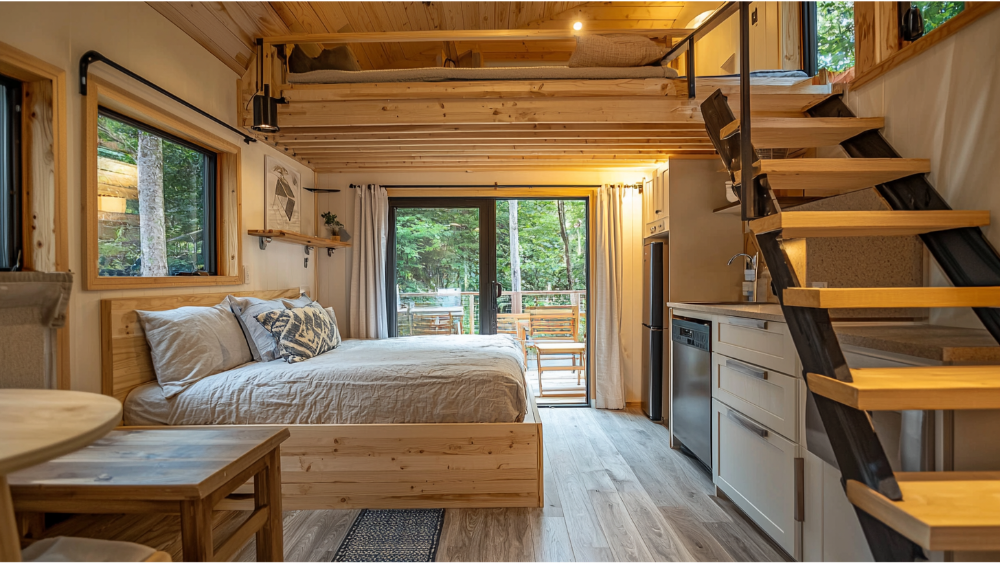
Understanding the legal landscape is key for homeowners considering an ADU project. ADU laws vary widely across states and municipalities, governed by local zoning laws, building codes, and permitting processes. Some cities enforce strict setback requirements, size caps (often under 1,200 square feet), or design rules, while others are more permissive. These varying regulations mean the first step is knowing what’s allowed where you live.
California – Leading the Way in ADU Laws
California is still the ADU leader. As of January 1, 2025, new laws like SB 1211 have expanded ADU flexibility statewide:
-
Multifamily lots can have up to 8 detached ADUs
-
Local jurisdictions can’t enforce additional restrictions beyond state standards
-
Owner-occupancy requirements are gone forever
-
Rental process has been streamlined
These permissive ADU laws are part of California’s larger strategy to address housing through infill development. However, local zoning restrictions still apply, and cities may have specific regulations around things like height, parking, and placement.
Detached ADUs and Statewide Housing Reform
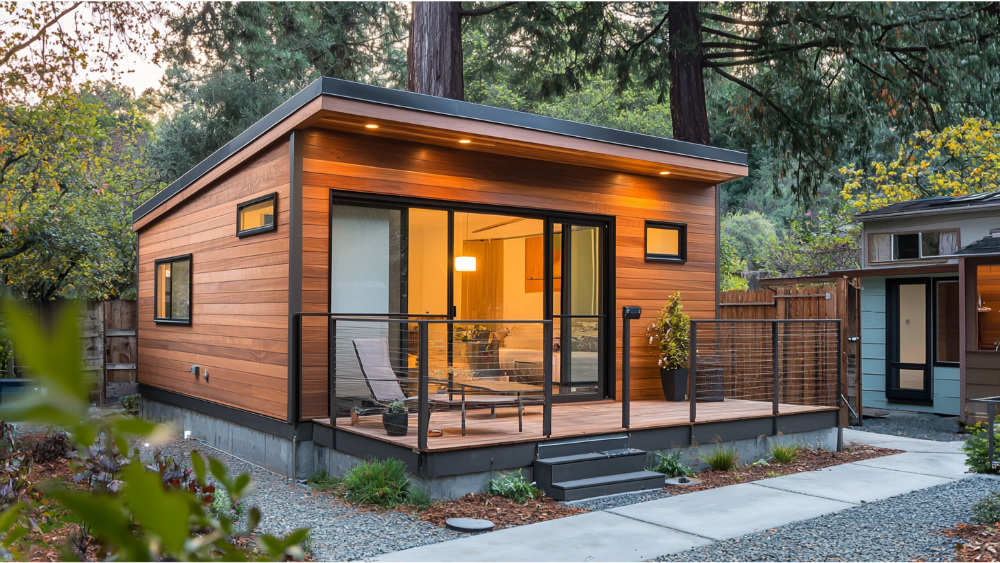
Washington – Detached ADUs and Flexibility for Urban Areas
Washington’s House Bill 1337 requires urban municipalities to allow at least 2 ADUs per residential lot, this can include both attached ADUs and detached ADUs. The bill also:
-
Removes owner-occupancy requirements in most cases
-
Allows ADUs to be sold separately from the primary residence under certain conditions
Washington is helping to encourage homeowners to build ADUs and reduce housing strain. Local governments still retain the power to regulate design standards and setback limits, meaning your experience may differ across jurisdictions.
Oregon – ADU Laws for Detached ADUs and Missing Middle Housing
Oregon’s House Bill 2001 eliminated single-family-only zoning in cities over 25,000 residents, allowing duplexes, triplexes, and accessory dwelling units (ADUs) by right. That’s a huge win for those hoping to build tiny homes, in-law units, or detached garages with ADUs in places like Portland or Eugene.
This reform is helping Oregon address housing shortages with flexible solutions, while still letting local governments apply some design oversight.
ADU-Friendly States Making Big Moves
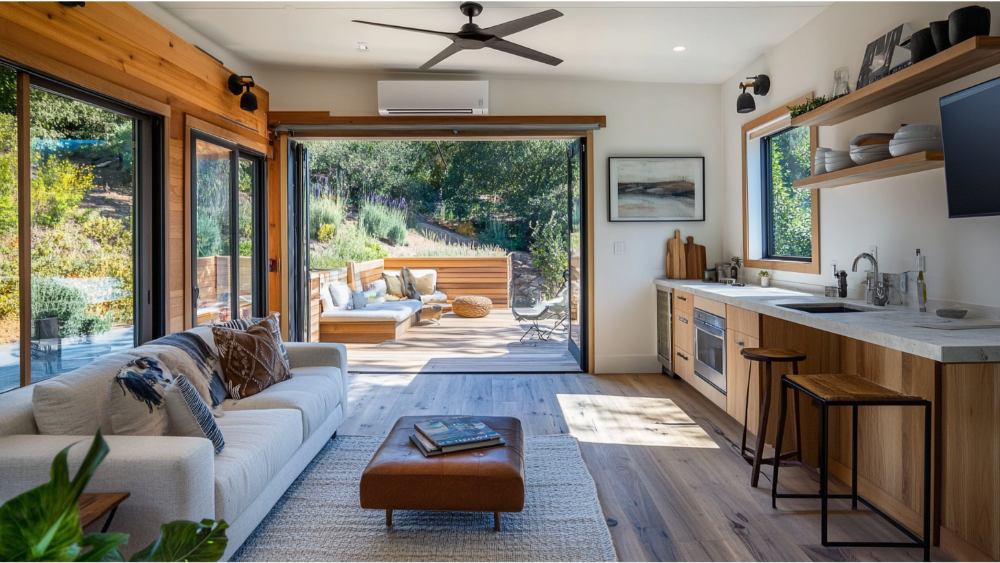
Maine – A Model for ADU-Friendly Policies in Rural and Urban Areas
Maine has ADUs as a tool to add more affordable housing in rural and urban areas. Under LD 2003 and LD 201:
-
ADUs and duplexes are allowed on almost all residential lots
-
Fourplexes are permitted in growth zones
-
ADUs are helping seniors age in place and families stay together
But ADU projects must still comply with local zoning and permitting rules and local ordinances can impact buildable square footage and setbacks.
Connecticut – ADU-Friendly Shift in Zoning and Permitting
To address cost and housing shortages, Connecticut is requiring many towns to allow ADUs by right. This simplifies the permitting process and allows homeowners to build an ADU on the same property as their main house with fewer hurdles.
Local control still matters. Community opposition in some neighborhoods has slowed implementation even with state support.
New York – State Grants and Local Flexibility
New York’s Plus One ADU Program offers grants up to $125,000 to eligible homeowners. The funding is helping homeowners in high cost areas explore ADU options.
While the state is supporting ADU development, local zoning still determines what’s allowed.
Attached ADUs and Conditional Access in Key States
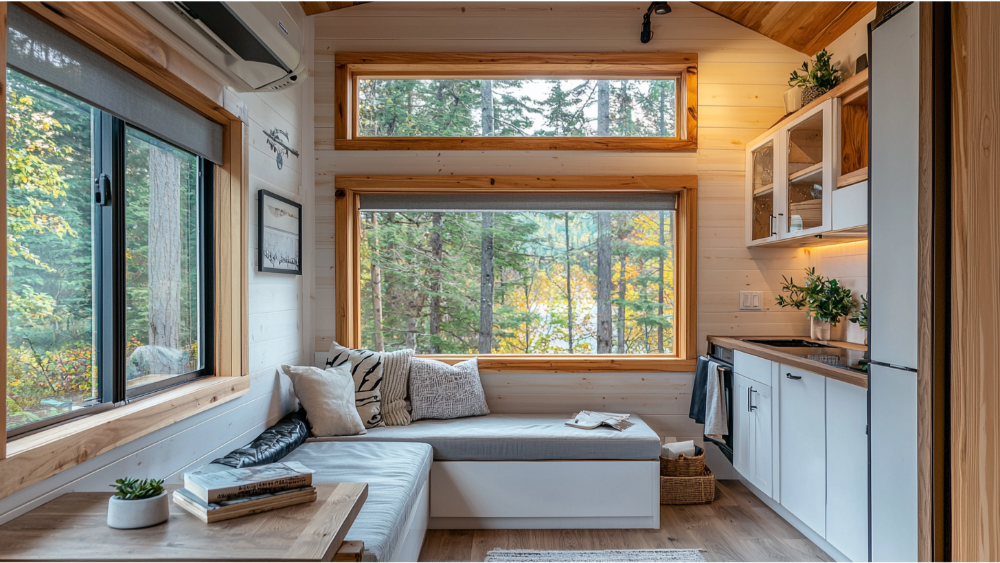
Colorado – Mixed Results for Attached ADUs and Detached Builds
Colorado has relaxed parking and occupancy rules for ADUs. But implementation is inconsistent. Cities like Boulder and Denver are opening up ADUs while others have strict local zoning or outdated building codes.
Vermont – Grants for Attached ADU and Detached Conversions
Vermont offers grants up to $50,000 to homeowners building ADUs. These are often used to help seniors age in place or add rental housing in small towns. Some areas limit ADUs to specific zoning districts or square footage so you need to know your town’s local rules before you start.
More States Looking at ADU-Friendly Options
-
Florida: Several cities like Miami and St. Petersburg are opening up ADUs but without state legislation zoning is inconsistent.
-
Arizona: Phoenix and Tucson allow ADUs but the state has no ADU legislation. Local control in the suburbs is still limiting growth.
-
Texas: ADUs are allowed in Austin and Houston where homeowners can build multiple units on one lot but there’s no state ADU law.
-
North Carolina: Raleigh and Charlotte have ADU pilot programs. ADUs are prohibited in many single family zones due to local zoning.
States Still Restrictive or Unclear on ADUs
Illinois – Local Control Wins
Illinois has no state ADU law. While Chicago has approved ADUs in pilot areas, many suburbs prohibit them under older local ordinances. Community opposition and legacy zoning codes are still slowing progress.
New Hampshire – Zoning Issues
In New Hampshire ADUs are allowed but local regulations can make it complicated. Homeowners should review local policies before converting garages or basement square footage into a legal ADU.
2025 ADU Trends
States Overriding Local Zoning
A growing number of states are stepping in to override local zoning laws that restrict ADUs. California, Oregon, and Washington have already passed ADU-friendly legislation, proving that coordinated policy reform can expand housing and help address housing shortages.
Financial Incentives
States like New York and Vermont are offering grants, fee waivers, and tax incentives to encourage homeowners to build. These programs aim to increase affordable housing options while helping families build equity on their existing property.
ADUs for Equity, Affordability, and Livability
ADUs support multigenerational living, allow for additional income, and create new housing without changing neighborhood character. For many homeowners, ADUs are a strategic way to maximize the use of their lot and improve long-term property value, all on the same property.
Ready to Build an ADU? Here’s What You Need to Know
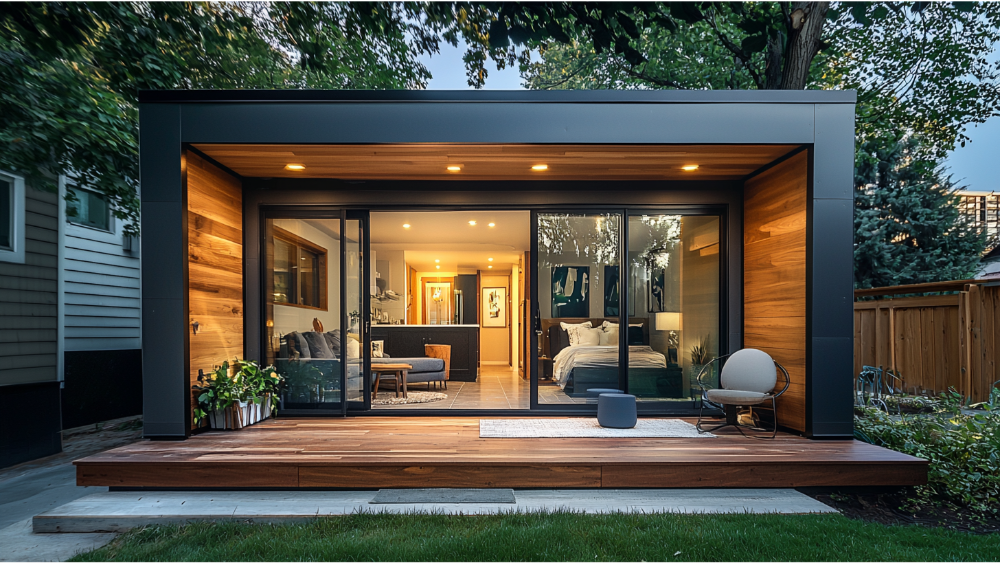
If you’re thinking of building an ADU, start with a deep understanding of your local and state laws:
-
Review State Laws: Each state has different ADU rules and eligibility requirements.
-
Understand Local Zoning: Even in ADU-friendly states, cities and counties enforce local requirements that affect layout, height, and use.
-
Talk to Your Planning Department: Get clear on setback limits, building codes, and what’s allowed on your property.
-
Hire an Experienced ADU Partner: Golden State ADUs handles every step of the process, from design to permits to construction, so you don’t have to go it alone.
Why California Homeowners Are Leading the ADU Revolution
California continues to be the benchmark for progressive ADU policy. With fewer restrictions, clear standards, and a streamlined approval process, many homeowners are converting garages, building in-law units, or adding small rental homes to their lots.
Golden State ADUs has been helping California homeowners make the most of their properties. From custom detached ADUs to attached ADUs, we help you design for function, comfort and long-term value.
Whether your goal is to support family, boost your income, or help solve the state’s housing shortages, we’re here to help.
Why More Homeowners Are Building ADUs for Family and Rental Income
As California’s housing market continues to evolve, more cities have embraced ADUs as a practical solution for expanding housing options. With reduced restrictions in place across certain municipalities, homeowners are discovering the benefits of building ADUs, not just to create flexible living space for aging parents, but also to generate steady rental income. Designed with privacy and comfort in mind, many ADUs include a separate entrance, making them ideal for multigenerational families or long-term tenants. Still, it’s important to understand how local laws may impact what you can build, where you can build it, and how your unit can be used.
What States Allow ADU in 2025 FAQs
What states allow ADUs in 2025?
California, Oregon, Washington, Maine, and Connecticut are leading the way. Colorado and New York are expanding access but still face local zoning restrictions.
How do ADU regulations vary by state?
ADU rules can vary significantly, from lot size to parking requirements. Always check both state law and local regulations before you begin.
What is the most ADU-friendly state in 2025?
California, due to its strong ADU-friendly legislation, funding support, and streamlined approval process.
Can I sell an ADU separately from my house?
In some states, like Washington, yes, depending on local ordinances and how the unit is structured in relation to the primary residence.
What financial incentives are available for building an ADU?
Grants in New York and Vermont, fee waivers in California, and other programs aimed at helping property owners fund their projects.
How do I know if my property is eligible for an ADU?
Start by checking local zoning laws, then confirm with your city’s planning department or a design-build firm like Golden State ADUs.
Are ADUs allowed in urban and rural areas?
Yes, but local control plays a huge role. Some rural areas are still limited by outdated zoning or community opposition.
How long does ADU permitting take in California?
Typically 2–3 months, though local requirements and city workload can influence timelines.
What Are Accessory Dwelling Units?
Self-contained homes with a kitchen and bathroom, located on the same property as a primary dwelling.
What Should I Know Before Starting ADU Construction?
Be aware of building codes, local zoning laws, and whether your site has access to utilities and legal access.
What Makes a Good ADU Project?
It should be cost-effective, meet your family’s needs, and comply with all local regulations.
What’s a Dwelling Unit?
A complete residential space with kitchen, bath, and private entrance, either attached or detached.
What Do ADU Owners Need to Know?
ADU owners must maintain safety, manage tenants if renting, and stay compliant with local and federal regulations.
Conclusion: ADUs are the Future of Flexible Housing
Whether you want to increase property value, support family or simply maximize space, ADUs are here to stay. If you’re in California, now’s the time to act.
At Golden State ADUs, we make the entire process seamless, from concept to keys.
Contact us today and let’s explore what’s possible on your property.